15,000 Well-Drilling Permits Issued to Boost Southern Agriculture
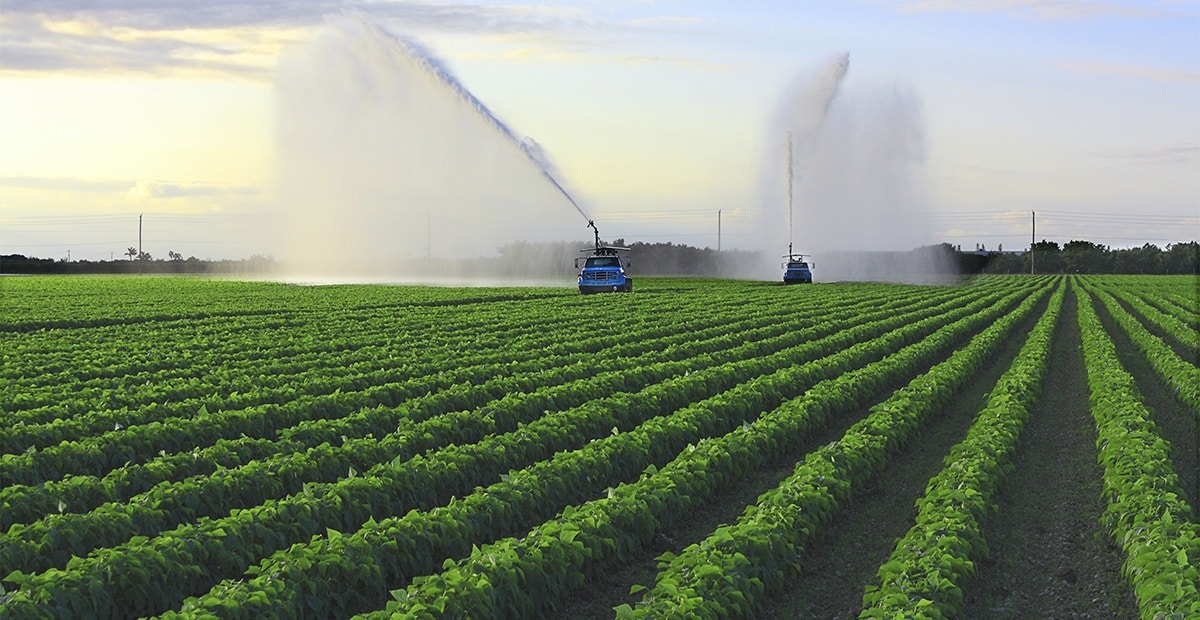
In a significant move to bolster agricultural development and ensure food security, the Ministry of Water Resources has issued approximately 15,000 well-drilling permits since 2021. This initiative is designed to support large-scale agricultural investments, particularly in the southern regions of the country, including Adrar, Timimoun, El Menia, and Ouargla.
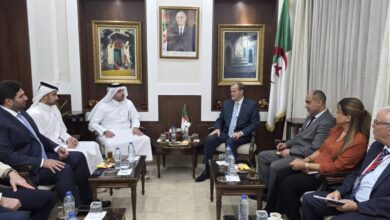
The announcement was made by the Minister of Water Resources, Taha Derbal, during a hearing before the National People’s Assembly’s Committee on Agriculture, Fisheries, and Environmental Protection. Minister Derbal emphasized that these permits aim to streamline administrative procedures and accelerate the issuance of drilling licenses. A key focus involves precisely locating drilling sites and ensuring technical oversight through the National Water Resources Agency, guaranteeing the rational and sustainable use of groundwater resources.
According to Minister Derbal, over 70% of the water resources mobilized annually are allocated to the agricultural sector to meet irrigation needs across various provinces. Supplementary irrigation is also provided to crops whenever resources are available in dams, highlighting agriculture’s strategic importance within national priorities.
Regarding storage capacity, Algeria currently possesses 81 dams with a total storage capacity of 8.6 billion cubic meters. This capacity is expected to increase to 9 billion cubic meters upon completion of dams currently under construction. Additionally, the country has 604 small mobilization facilities and water barriers in place to minimize waste and achieve water balance between regions.
Minister Derbal also underscored the development of non-conventional water resources, noting the presence of 234 wastewater treatment plants with a total capacity of nearly 1.1 billion cubic meters, primarily used for agricultural irrigation. Furthermore, there are 17 large and 13 small seawater desalination plants, all part of the national water security strategy.
Concerning transfer networks, the Minister stated that there are 18 major water transfer systems in place, contributing to the balanced distribution of resources between regions and enhancing the state’s ability to address challenges related to climate change and water scarcity.
The Chairman of the National People’s Assembly’s Committee on Agriculture, Fisheries, and Environmental Protection, Bachir Ferhani, stressed the strategic importance of the irrigation sector in supporting national agriculture and enhancing food security. He affirmed that water management has become a crucial element for the success of agricultural investments in the south, protecting groundwater resources and ensuring their sustainability.