Gold Price Forecast 2026: Continued Rise or Sharp Fall?
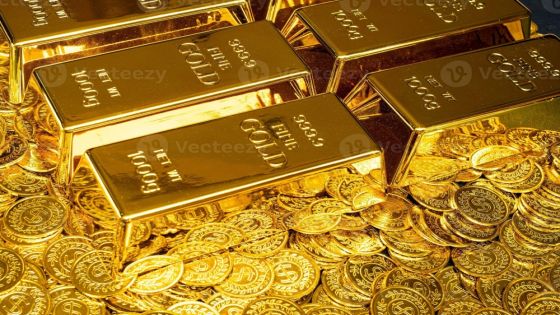
Gold prices have demonstrated resilience after a sharp decline that saw them shed over $200 in late December, signaling a volatile market. The strong rebound has reignited discussions about the future trajectory of the precious metal, particularly concerning the outlook for 2026.
Analysts point to several factors driving the upward momentum in gold prices. These include a significant influx of individual and institutional investors, alongside central bank activity, coupled with declining interest rates and persistent geopolitical tensions. These elements contributed to a substantial increase in gold prices last year, with some estimates suggesting a rise of as much as 65%.
Many investors anticipate a continued rise in gold prices, fueled by diminishing confidence in major currencies within developed economies. This erosion of trust stems from perceived pressures on the independence of central banks and escalating levels of government debt. These factors are traditionally seen as bolstering the appeal of gold as a safe-haven asset.
However, experts caution against complacency. Rising public debt has exacerbated political divisions, exemplified by confrontations in the US Congress, political gridlock in France, and scrutiny of Japan’s record budget. These instabilities could disrupt markets and amplify gold price volatility.
The dramatic gold crash of 2011, when prices plummeted from over $1920 per ounce to $1050, serves as a stark reminder for investors. Concerns are mounting that a similar scenario could unfold, especially given the recent surge to over $4500 per ounce, potentially leading to a dramatic price correction. Therefore, caution and careful monitoring of market trends are crucial for investors navigating the gold market in the coming years.