High-Fat Diets Linked to Accelerated Liver Cancer Risk
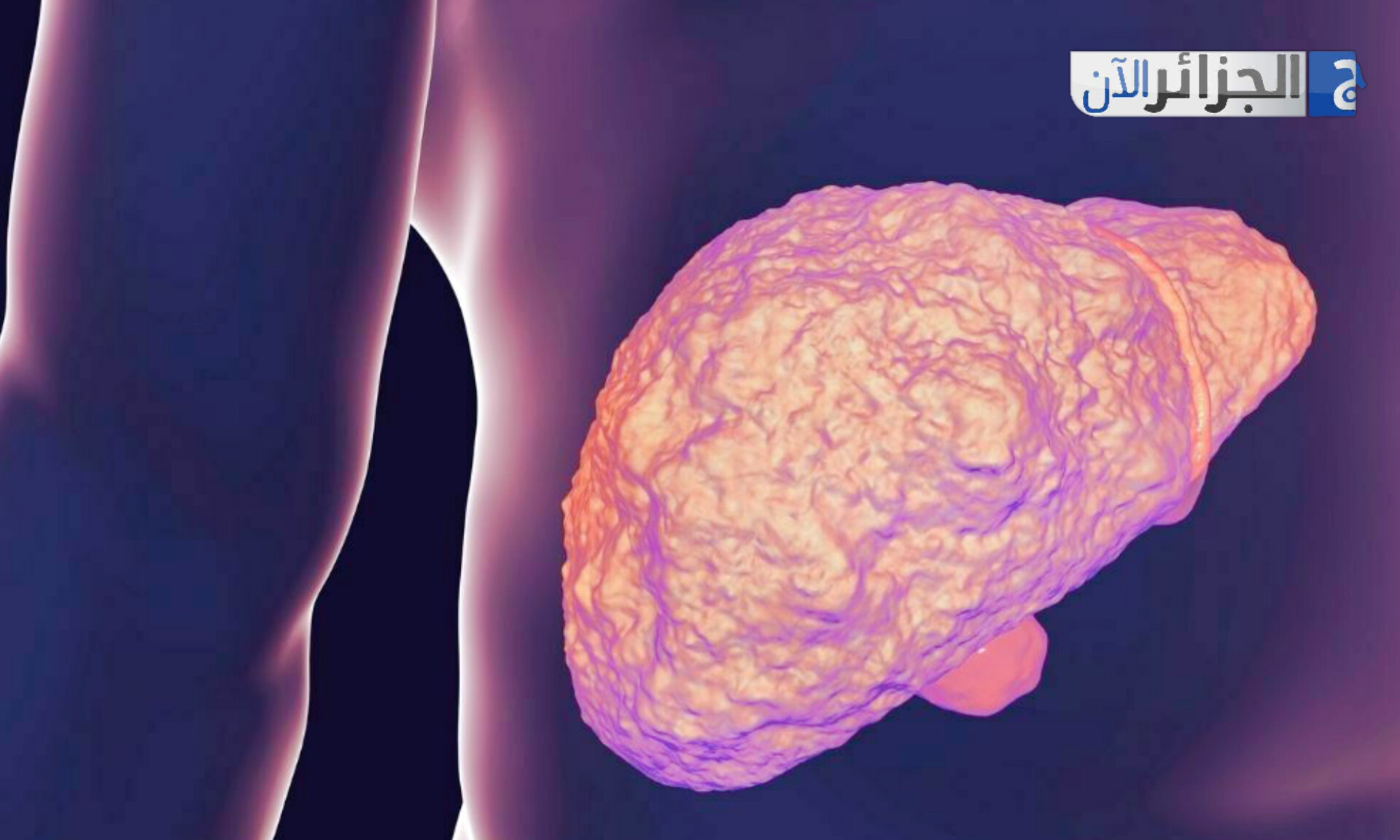
Algiers – DZWatch News – A new scientific study has revealed a concerning link between high-fat diets and an increased risk of liver cancer. The research highlights how excessive fat consumption can directly contribute to the development of cancerous cells within the liver.
The study indicates that a diet rich in fats doesn’t just affect the environment surrounding the liver; it actively pushes liver cells towards a stem-cell-like state. While this transformation might initially help cells survive under stressful conditions, it simultaneously renders them more vulnerable to mutations and cancerous changes.
Researchers found that a high-fat diet leads to fat accumulation within the liver, a condition known as fatty liver disease. Over time, this can progress to fibrosis, liver failure, and ultimately, liver cancer – one of the most prevalent and dangerous forms of cancer globally.
Experiments showed that liver cells constantly exposed to high levels of fat activate genes that protect them from programmed cell death, increase their ability to divide and grow, and gradually lose their natural functions. The study authors described these changes as a trade-off between the survival of individual cells and the overall health of the liver tissue.
Furthermore, animal models consuming a high-fat diet developed liver cancer within approximately one year. While the process may take around 20 years in humans, the long-term risks remain significant.
Analysis of liver samples from human patients revealed a similar genetic pattern: a decrease in genes responsible for normal liver functions and an increase in genes associated with the primitive state of cells. This finding could potentially aid in predicting patient outcomes following tumor development. Researchers are now exploring the possibility of reversing these changes through dietary adjustments or weight-loss medications.
DZWatch will continue to monitor this developing story and provide updates as they become available.