Kremlin Welcomes Calls from European Capitals to Resume Dialogue
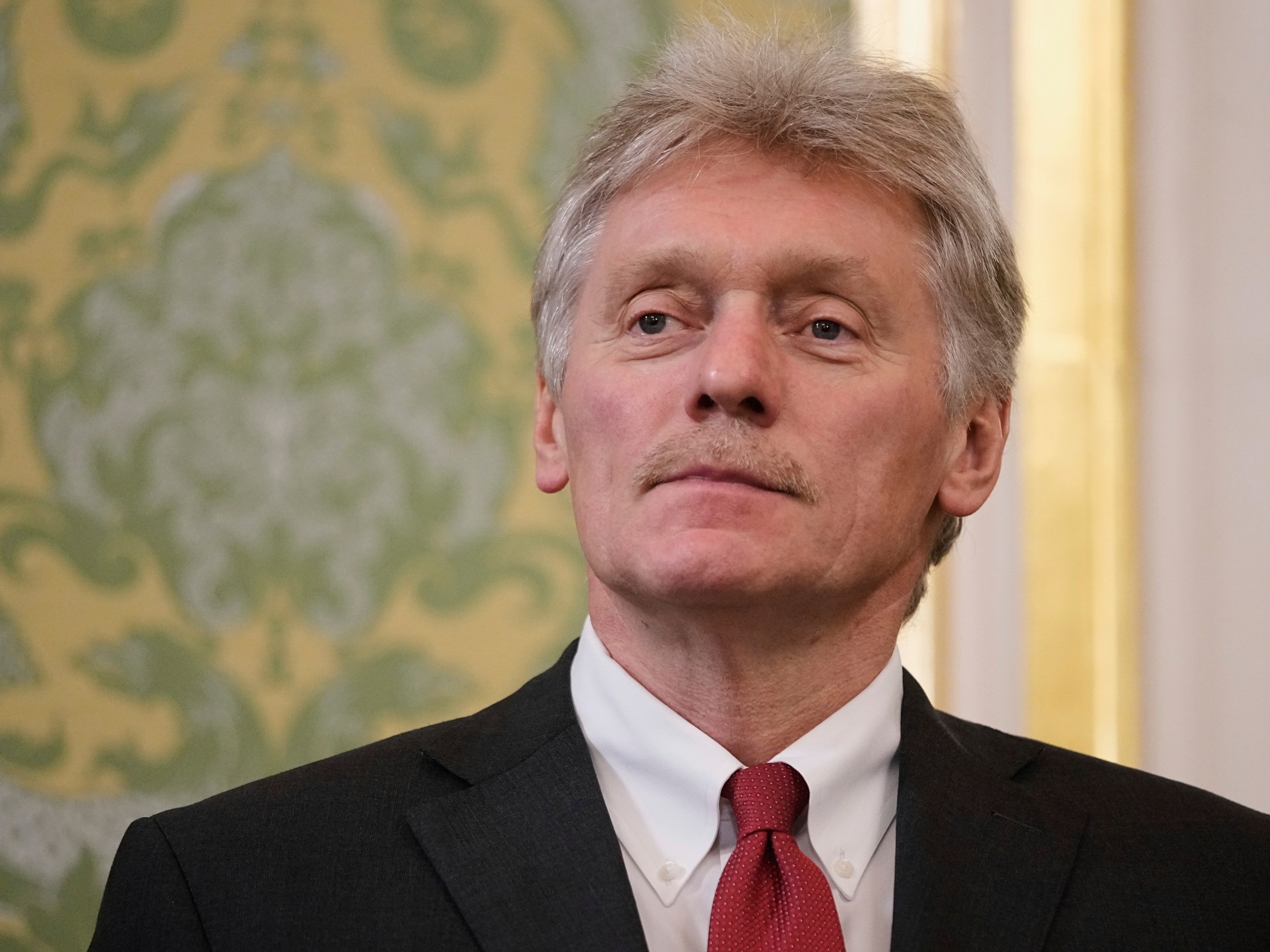
The Kremlin expressed its approval Friday regarding recent overtures from several European nations advocating for a resumption of dialogue with Russia. Moscow views this development as a positive shift, aligning with its long-held position on the necessity of communication.
Dmitry Peskov, the Russian Presidential Spokesman, stated that Moscow has taken note of statements from leaders in Paris, Rome, and even Berlin, emphasizing the importance of engaging with Russia to achieve stability in Europe. He affirmed that this perspective is entirely consistent with Russia’s own.
Peskov characterized these developments as a potentially significant evolution, particularly if they reflect a genuine strategic shift among European leaders who, until recently, had expressed views that appeared to entirely preclude any possibility of dialogue with Russia. He added that the situation has seemingly changed, and the statements from the aforementioned capitals represent a noteworthy shift from Moscow’s perspective.
Peskov further commented that discussions regarding a resolution to the Ukrainian conflict are impossible without addressing broader European security concerns. He emphasized the interconnectedness of these issues.
However, the Kremlin spokesman criticized the stance of the United Kingdom, stating that it remains entrenched in extreme positions and unwilling to contribute to establishing peace. He described the UK’s position as destructive.
In London, a spokesperson for Downing Street indicated that Prime Minister Keir Starmer has no intention of engaging with Russian President Vladimir Putin, diverging from the calls made by some European officials. The spokesperson told reporters that Starmer’s clear objective is to support Ukraine in achieving a just and lasting peace, positioning the country in the strongest possible position to continue the fight and move towards peace negotiations.
The spokesperson added that the Russian President has not yet shown any indication of intending to end the Russian offensive in Ukraine, while asserting that the British government maintains regular contact with the Russian government, particularly through its embassy in Moscow.
Earlier in January, Italian Prime Minister Giorgia Meloni stated that the time had come for Europe to speak with Russia as well, calling for the appointment of a special European envoy for that purpose. French President Emmanuel Macron has also indicated a desire for continued communication channels.