Syrian Forces Recapture Deir ez-Zor: Swift Shift in Power
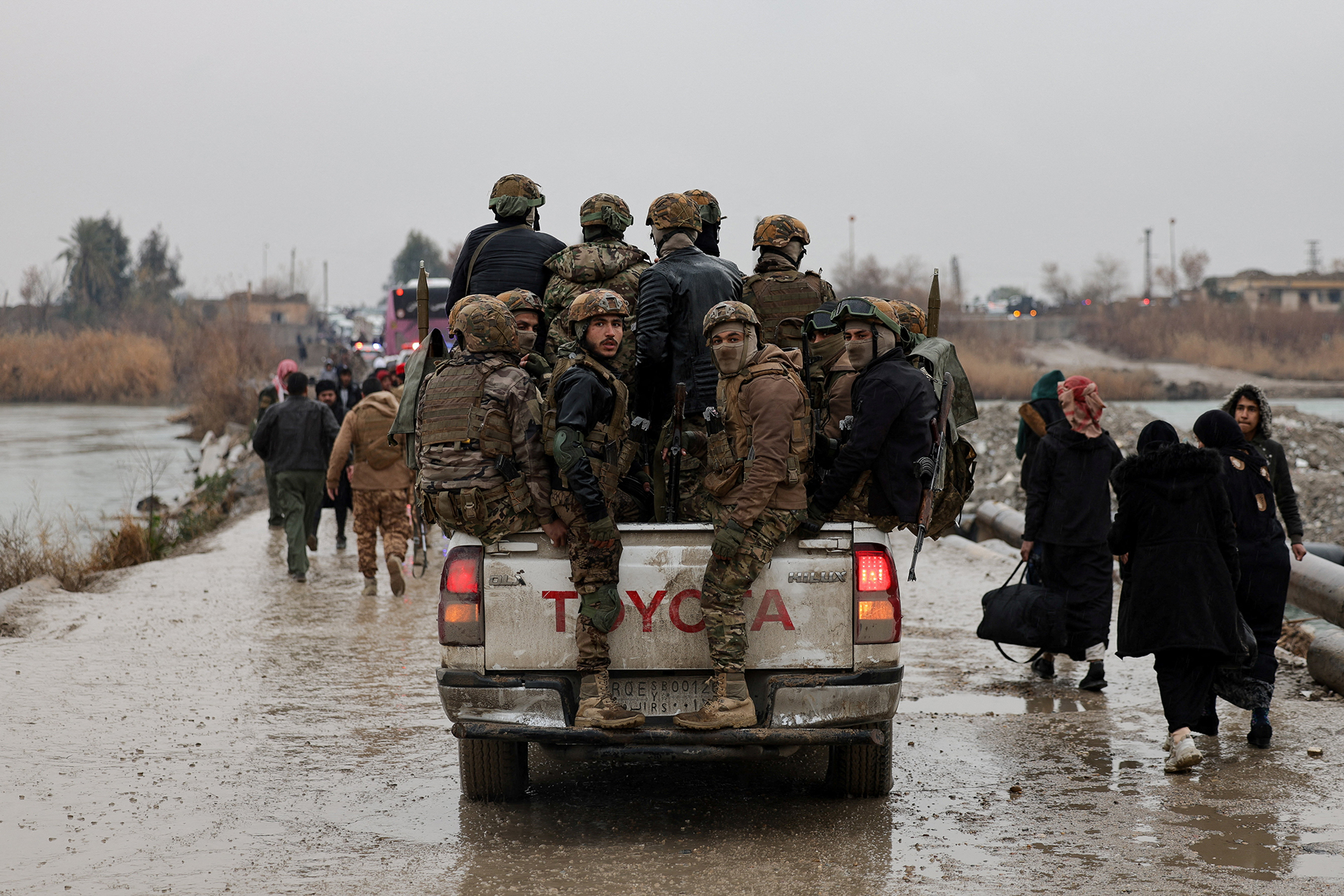
Deir ez-Zor province, located in northeastern Syria, has reportedly been brought back under the full control of the Syrian government, according to Governor Ghassan al-Sayed Ahmed. He announced the swift recapture, stating that the region and its vital infrastructure were reclaimed from the Syrian Democratic Forces (SDF) within a matter of hours.
Governor Ahmed attributed the rapid shift to a “popular uprising,” fueled by accumulated resentment towards the SDF’s governance. He characterized their actions as akin to an occupation, citing arbitrary detentions, control over resources, and the suppression of regional development and essential services.
According to the Governor, this discontent spurred local residents and Arab members within the SDF to mobilize, leading to the SDF’s retreat towards the Hasakah province in approximately 12 hours. He emphasized that the situation within Deir ez-Zor is now “completely stable,” marking the return of the region to Syrian control after years under SDF administration.
The Governor further alleged that local tribes had liberated themselves from what he described as oppressive practices, including continuous arbitrary arrest campaigns. He claimed that individuals who refused forced conscription were often falsely accused of affiliation with ISIS and imprisoned.
Late Sunday, President Ahmad al-Share signed a ceasefire agreement, paving the way for the full integration of SDF forces into the Syrian Army. This development follows a period of heightened security and military activity in recent days. These events unfolded amidst a rapidly evolving situation in Syria, with the Syrian Army having already secured control over the entire western bank of the Euphrates River and oil fields east of the river.
Governor Ahmed revealed that the complete liberation of Deir ez-Zor was achieved earlier on Sunday, sparking widespread celebrations among residents. He noted the resumption of operations at key industrial facilities in the “al-Ma’amel” area, which he described as the backbone of the local economy.
Regarding the presence of the SDF and the Kurdish population, Governor Ahmed asserted that there is “no historical Kurdish presence” in Deir ez-Zor province, claiming that approximately 80% of the SDF personnel in the area were from outside the region.