Arab Parties in Israel Unite for Joint Electoral List
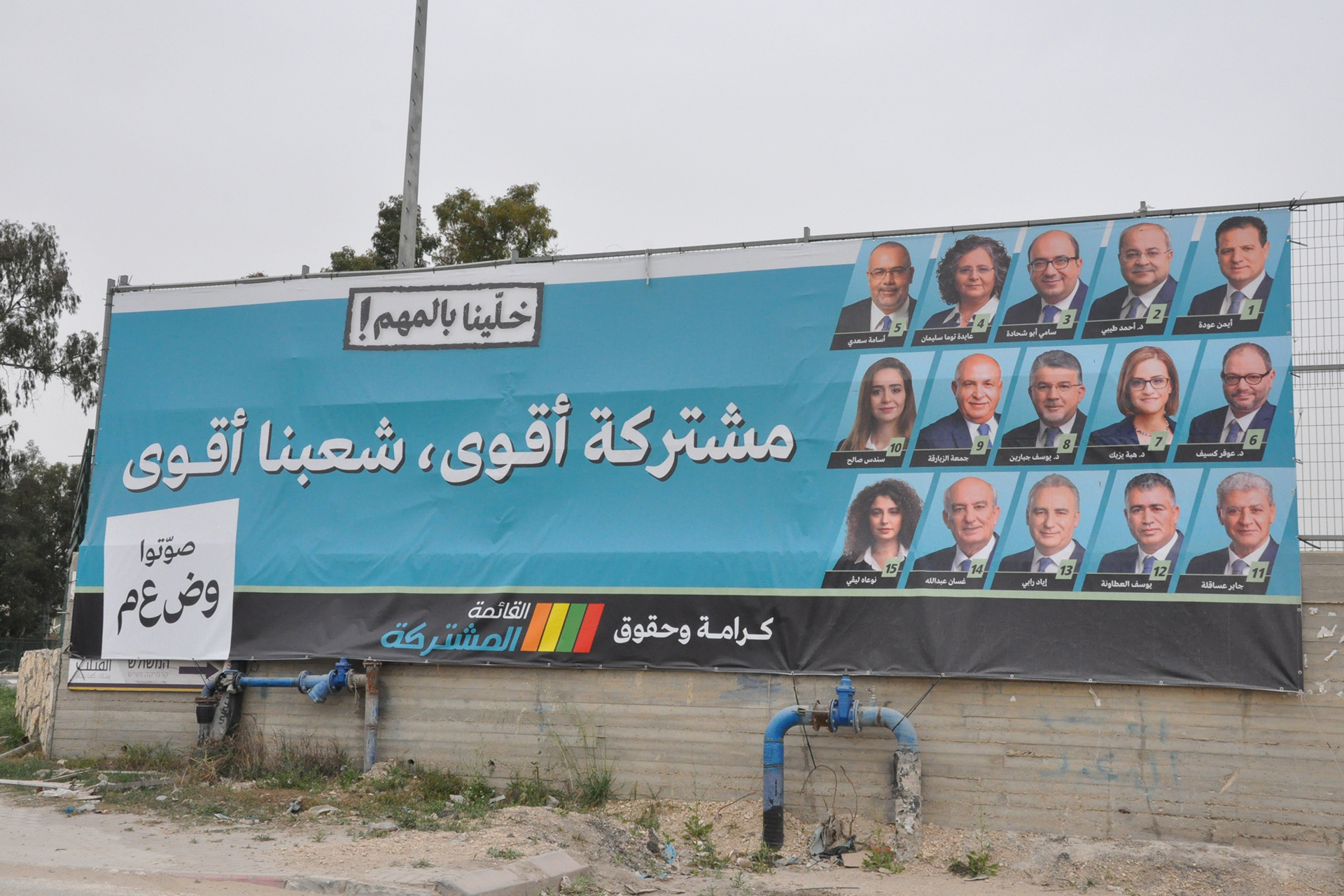
In a significant move towards unified political representation, the four major Arab political parties in Israel have agreed to form a joint list for the upcoming general elections later this year. The agreement, formalized with the signing of a document titled “Joint List Now” on Thursday evening, aims to consolidate Arab voices within the Knesset.
The signatories include prominent figures such as MK Ahmed Tibi, leader of the Arab Movement for Change; Ayman Odeh, head of the Democratic Front for Peace and Equality; Sami Abu Shehadeh, chairman of the National Democratic Assembly; and Mansour Abbas, representing the United Arab List.
The signing ceremony took place in the northern city of Sakhnin, following a large public demonstration protesting the rise of crime within Palestinian communities in Israel. The decision to unite comes amidst growing public pressure for greater political cohesion among Arab representatives in the Knesset.
The meeting also involved discussions on political and protest strategies for the coming period, particularly in light of ongoing accusations of negligence and complicity against the Israeli police in addressing organized crime within Arab towns and villages.
Palestinians constitute over 20% of Israel’s 10 million population. In the previous elections, held in November 2022, Arab parties ran on separate lists, resulting in diminished representation. The United Arab List (Ra’am) secured 5 seats, while the Hadash-Ta’al alliance also obtained 5 seats. The National Democratic Assembly (Balad), however, failed to cross the electoral threshold and did not gain any representation. This resulted in a total of 10 Arab seats out of 120, a number lower than the proportion of Palestinians within the Israeli population.
This newly formed joint list hopes to overcome the fragmentation of the past and present a stronger, more unified voice for Arab citizens within Israeli politics. The success of this alliance could significantly impact the political landscape and the representation of Arab interests in the Knesset.