

UN Warns of Rising Casualties in Gaza Amidst Renewed Violence
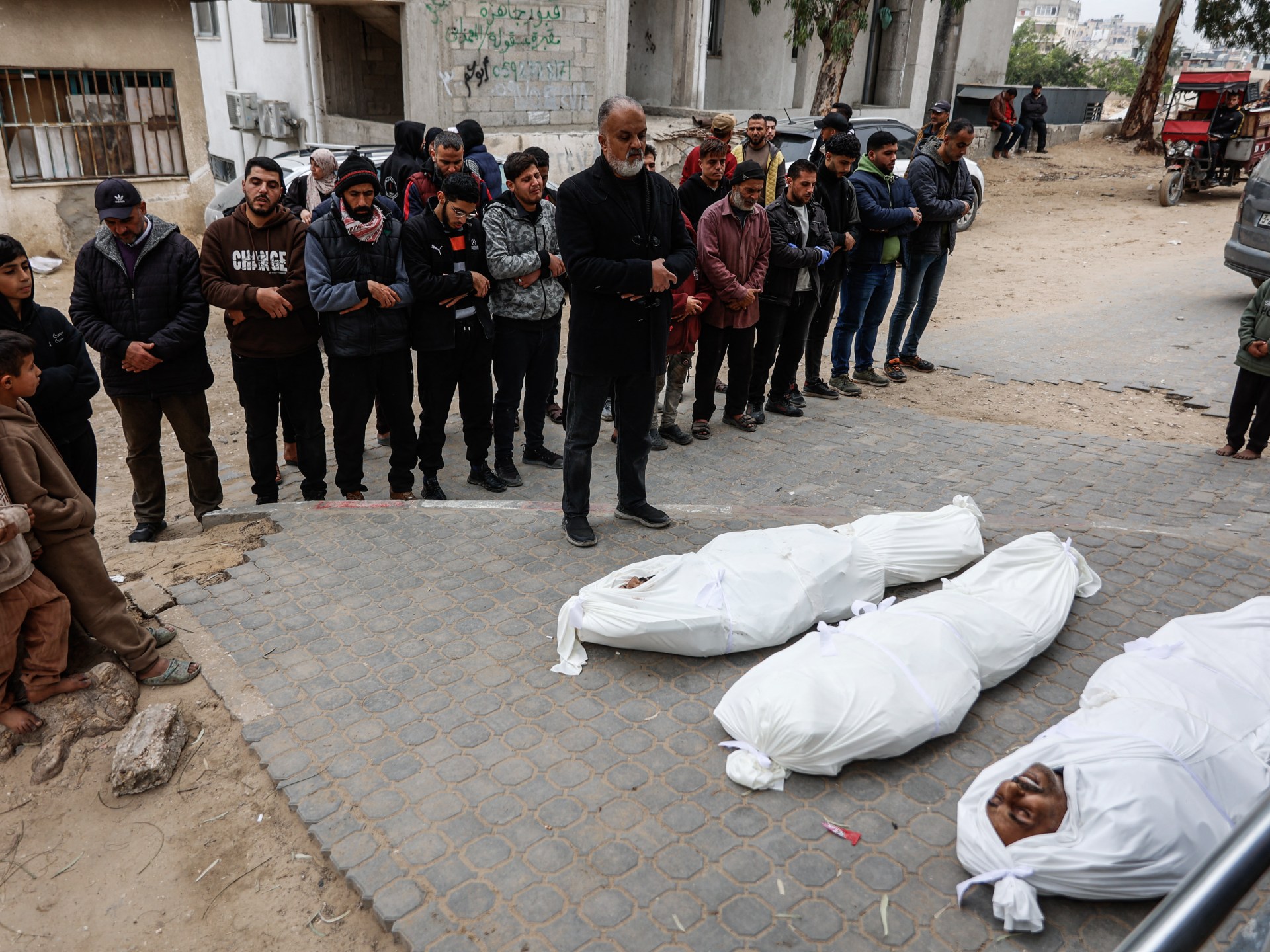
DZWatch has learned of escalating concerns regarding the humanitarian situation in Gaza, with the United Nations expressing alarm over the rising number of casualties. The ongoing conflict, compounded by harsh winter conditions and a deteriorating healthcare system, is pushing the population to the brink.
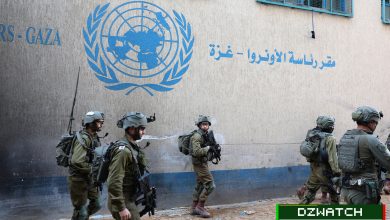
Reports indicate a surge in Israeli military activity, including artillery shelling within the Shuja’iyya neighborhood in eastern Gaza City. Medical sources confirm that a Palestinian youth was wounded by Israeli drone fire near the Shuja’iyya junction. Furthermore, intense gunfire from Israeli military vehicles has been reported south of Khan Yunis, and artillery shelling has occurred in various areas across the Gaza Strip, including north of Rafah.
These incidents represent a concerning pattern of violations to the ceasefire agreement. Just a day prior, eleven Palestinians, including children and journalists, were killed in separate attacks across Gaza, marking the highest daily death toll since the ceasefire was implemented last October.
The tragic death of six-month-old Youssef Abu Hamad in Khan Yunis, attributed to the severe cold and lack of medical care, underscores the dire conditions faced by Gazan civilians. Youssef’s father stated that his son suffered from severe dehydration due to diarrhea, but doctors were unable to provide adequate treatment due to shortages of medicine and a generally collapsed healthcare system. Tragically, Youssef is the eleventh child to die from the harsh winter conditions in Gaza this season.
Palestinians in Gaza are enduring a humanitarian crisis that has been exacerbated by the winter season. Israel’s failure to uphold its commitments under the ceasefire agreement, including the opening of border crossings and the delivery of agreed-upon quantities of humanitarian aid, medical supplies, and shelter materials, is contributing to the suffering.
The UN Human Rights Office in the Occupied Palestinian Territory has issued a stark warning about the continued killing of civilians due to Israeli attacks in Gaza. This violence, they say, is part of a broader pattern of ongoing violence that persists despite the ceasefire agreement, signed after two years of conflict.
Ajith Sunghay, the director of the UN office, stated that the international community must intensify its support and exert pressure to halt the bloodshed and promote a rights-based approach to resolving the conflict. “The situation in Gaza is far from resolved,” he emphasized, “and people are dying every day.”
One Comment