Royal’s Algeria Visit Signals Rift in French-Algerian Ties
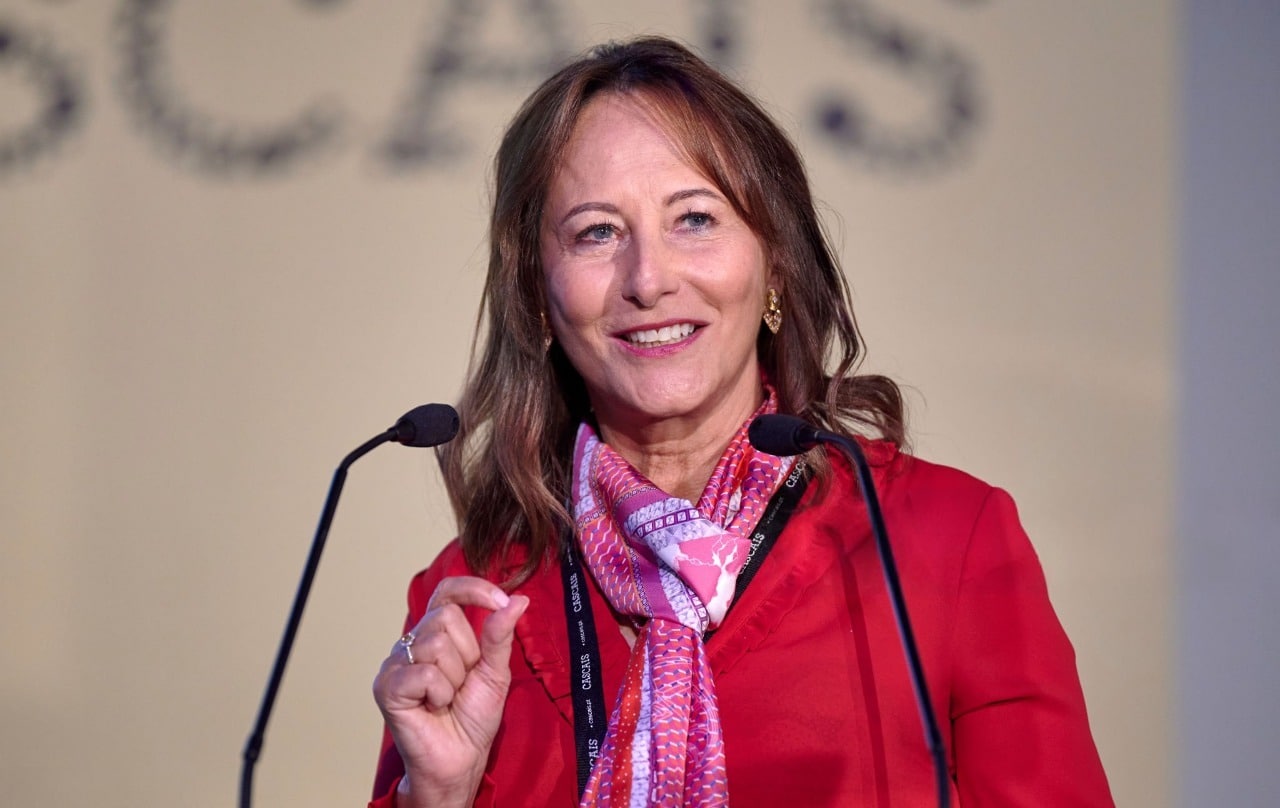
Former French Minister Ségolène Royal is set to arrive in Algeria on Monday, carrying a message that diverges sharply from the prevailing narrative in Paris. Her visit comes at a particularly sensitive juncture, just days after a controversial documentary aired on France 2, sparking outrage in Algiers and prompting the Algerian Foreign Ministry to summon the French Chargé d’Affaires.
Royal’s visit, undertaken in her capacity as President of the France-Algeria Association and at the invitation of the Algerian Chamber of Commerce and Industry, lacks official governmental backing. This unconventional arrangement underscores a significant undercurrent within France – a rejection of the confrontational approach that has come to characterize the decision-making circles in Paris. It also highlights the limitations of this dissenting view in influencing official policy.
Crucially, the direct invitation from the Algerian side, bypassing traditional diplomatic channels, sends a clear message: Algeria is not seeking mediation nor superficial normalization. It asserts its own terms and conditions for the relationship, signaling an end to Paris’s perceived control over the dynamic. Any genuine reconciliation, according to this message, hinges on the recognition of equality and complete sovereignty.
The timing of Royal’s visit, coinciding with the fallout from the contentious documentary, is far from coincidental. The France 2 program, presented as an investigative report, was widely perceived in Algeria as a biased and manipulative piece, designed to fuel hostility under the guise of journalism. This pattern of escalating media attacks reinforces the notion that Algeria is being used as a domestic pressure valve whenever the political landscape in France becomes strained.
Against this backdrop, Royal arrives proclaiming her intention to listen and forge a positive path forward, emphasizing economic cooperation and partnerships geared towards future generations. This approach reflects her belief that the current impasse is costly for both nations and that its continuation serves no genuine interest. The enduring sticking point remains the issue of historical memory, a complex and sensitive area that Paris has consistently struggled to address adequately. Royal’s visit, therefore, represents a delicate attempt to navigate these troubled waters and potentially lay the groundwork for a more constructive dialogue. Whether her efforts will be successful remains to be seen.