Morocco a Major Transit Point for Drug Trafficking to Europe
A coordinated security operation in Spain, targeting a criminal network smuggling drugs via boats in the Atlantic Ocean, has revealed that Morocco serves as a major transit link for these substances into Europe. A statement from the Spanish Ministry of Interior explained that the operation, carried out in two stages in Andalusia and the Canary Islands, resulted in the arrest of over 100 people from a dangerous criminal network. This network, which includes a large number of Moroccans, has become a central tool in the cross-border drug trafficking system toward Europe and was responsible for importing approximately 57 tons of cocaine over the past year.
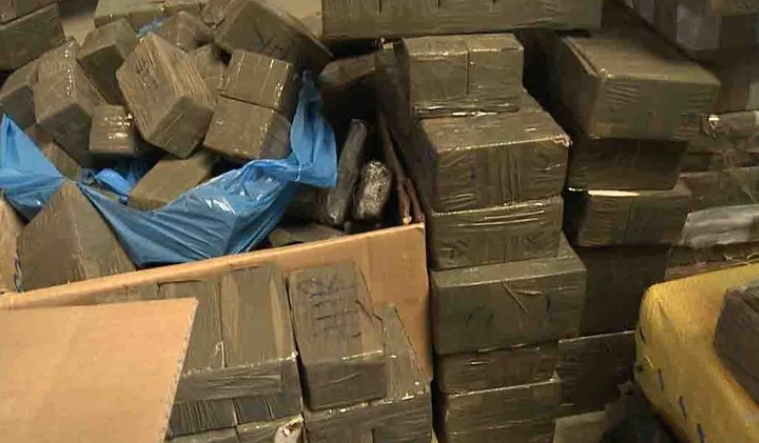
The operation included the seizure of 10,400 kg of drugs, part of the total 57 tons of cocaine brought into Europe by the network last year. Authorities also seized 70 cars, 30 vessels, real estate, firearms, multiple bank accounts, two drones, over 800,000 euros, and 150 mobile phones, in addition to modern maritime smuggling equipment valued at nearly 2.5 million euros.
Investigations showed that the network relied on high-speed boats departing from the rivers of Andalusia, the Canary Islands, and Morocco to reach the Atlantic Ocean. There, the drugs were transferred to main ships on the high seas to be marketed in European countries, turning the Kingdom into a primary platform for exporting these substances and highlighting gaps in the control of its borders and ports.
This network provided maritime platforms that allowed crews to remain on board for long periods using encrypted communications, satellite devices, and difficult-to-track mobile phones to avoid detection by authorities. This makes Morocco an essential link in the drug trafficking network, threatening international security and turning the Mediterranean basin and the Atlantic Ocean into a theater for transcontinental organized crime operations.
The investigation also revealed that the network established fuel storage centers, observation points to monitor security force locations, and an integrated logistical system to supply boats with provisions and fuel, ensuring the continuity of smuggling operations on the high seas. Police noted that the network paid 12 million euros to the family of a crew member who died during a drug shipment to ensure their silence and avoid any link to the criminal activity.
Investigations showed the presence of coordinators in Morocco, Cadiz, and the Canary Islands responsible for receiving and distributing drugs coming from Latin America. This operation, which lasted for over a year and was carried out in cooperation with authorities from several countries, confirmed that Morocco remains a central link in trafficking networks that threaten both European and regional security, highlighting persistent gaps in effective control and security measures at its borders and ports.
Reference: link