Strengthening cooperation between the Great Mosque of Algiers and Al-Azhar Al-Sharif
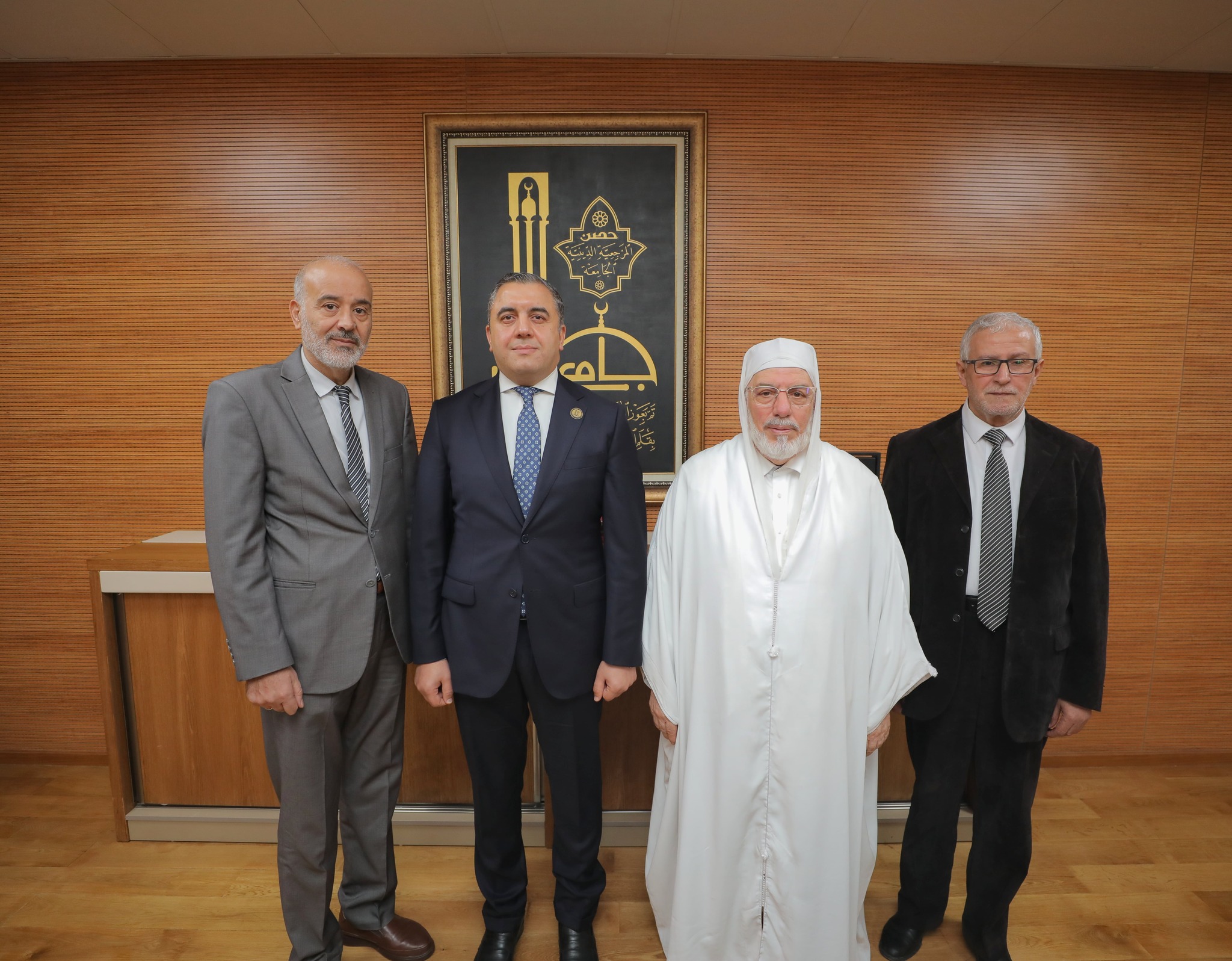
The Rector of the Great Mosque of Algiers, Sheikh Mohamed Mamoun El Kacimi El Hassani, received the Ambassador of the Arab Republic of Egypt to Algeria, Abdel Latif El-Layeh, on Thursday at his request.
According to a statement from the Rectorate of the Great Mosque of Algiers, the meeting addressed ways to enhance scientific and cultural cooperation. The Rector reviewed the mosque’s civilizational mission, highlighting the integration between its scientific structures, particularly the National Higher School of Islamic Sciences “Dar al-Quran,” which requires the completion of the Holy Quran as a basic condition for its students, embodying the approach of combining deep knowledge with spiritual purification.
He also noted the vital role of the Cultural Center in stimulating thought and dialogue through its major specialized seminars, the statement added.
In a tribute to shared memory, the Rector of the Great Mosque of Algiers recalled the bonds of Algerian-Egyptian solidarity, emphasizing that Algerians continue to remember with affection and reverence Egypt’s positions, especially during the blessed Liberation Revolution.
Regarding future prospects, Sheikh El Kacimi stressed the Great Mosque of Algiers’ efforts to strengthen bridges of cooperation with major scientific centers, led by Al-Azhar Al-Sharif, to exchange expertise and coordinate efforts in spreading the values of moderation.
He pointed out that this direction complements the path of agreements concluded with prestigious institutions such as Ez-Zitouna University in Tunisia and the International Islamic University Malaysia.
For his part, the Egyptian Ambassador praised the civilizational excellence of the Great Mosque of Algiers, describing it as a towering edifice that has become, in a short time, a beacon for Islam and Muslims worldwide.
The Egyptian diplomat expressed his commitment to conveying the details of this meeting to accelerate the pace of scientific and institutional cooperation with Egyptian institutions, primarily Al-Azhar; he emphasized that protecting the region from the currents of extremism requires the concerted efforts of these solid scientific strongholds.
Reference: link