Algiers: Strict Directives to Accelerate the Rehabilitation of Old Buildings
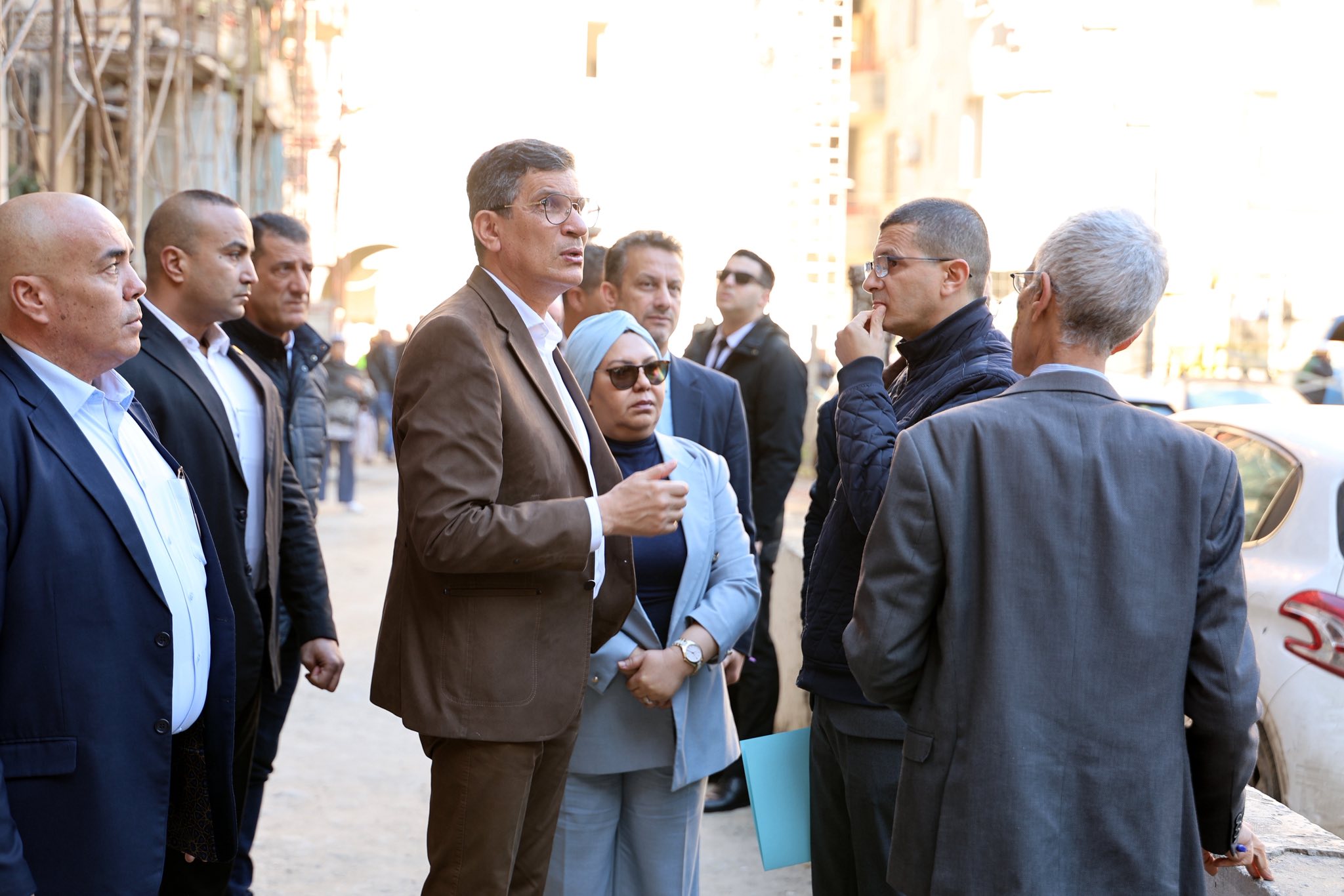
The Governor of Algiers, Mohamed Abdennour Rabehi, conducted a field visit to monitor the progress of rehabilitation works on old buildings in several municipalities, including El Harrach, Hussein Dey, Mohamed Belouizdad, and Algiers Center.
According to a statement from the governorate, the rehabilitation of old buildings is a priority within the “White Plan.” The province of Algiers has launched a special program aimed at preserving a significant urban fabric characterized by high-quality and diverse architectural styles, which has been affected by time, leading to deterioration and fragility.
The statement indicated that the works include addressing unauthorized expansions on rooftops, balconies, and basements, while taking necessary measures to evict illegal occupants.
The program is being implemented in two phases. The first phase targeted buildings on major avenues and streets, such as Didouche Mourad, Larbi Ben M’hidi, Asselah Hocine, Zighout Youcef, and Krim Belkacem streets.
The second phase extends to popular neighborhoods and neighboring municipalities, covering Mohamed V, Hassiba Ben Bouali, Mohamed Belouizdad, and Tripoli Street in Hussein Dey. It also includes buildings in the protected sector of the Casbah, specifically Zabana Cherif Street, Ennasr Street, Louni Arezki Slope, and Ammar Ali Street, as well as Ali Khodja Street and Bougara Avenue in the El Biar municipality, and the center of El Harrach, with the process set to gradually reach all municipalities.
The governorate services will initiate a series of interventions, including the development of outdoor pedestrian spaces and the renewal of various utility networks according to approved standards. Additionally, commercial activities along major axes will be reorganized through a book of specifications that defines the regulatory framework and standardizes shop fronts and working hours.
During his visit, Rabehi issued directives to accelerate the pace of work, emphasizing the need for high-quality execution. He expressed satisfaction with the progress and quality of the works so far, thanking the workers and project managers for their field efforts, especially as these tasks involve a high degree of complexity due to the age and architectural nature of the buildings, requiring great precision and professionalism.
Despite the technical and operational difficulties characterizing the works, the process has been welcomed by residents, who showed great understanding regarding the temporary inconvenience it may cause.
Reference: link