IEA: Over 40 Energy Facilities Damaged in Iran War
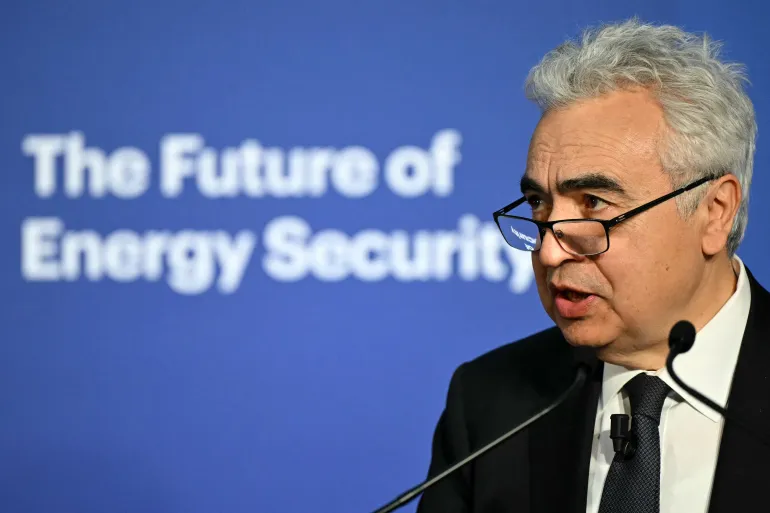
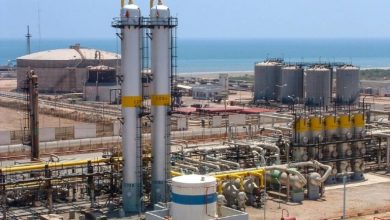
Fatih Birol, Executive Director of the International Energy Agency (IEA), stated that more than 40 energy assets in nine Middle Eastern countries have suffered “severe or very severe” damage due to the U.S.-Israeli war on Iran. This could prolong disruptions in global supply chains even after the confrontations end.
Speaking at the National Press Club in Canberra, Australia, Birol explained that this damage means oil fields, refineries, and pipelines will require time before returning to full operation. He added that the war has disrupted the entire energy supply chain for more than three weeks, with the near-closure of the Strait of Hormuz and a sharp rise in oil, natural gas, and fuel prices.
He noted that the impact of the current disruption is equivalent to the “two major oil crises of the 1970s and the 2022 gas crisis following the Russia-Ukraine war combined.”
Birol also warned that the disruption affects not only oil and gas but also extends to petrochemicals, fertilizers, sulfur, and helium, which will have “serious consequences” for the global economy.
In the same context, Birol stated that the IEA is consulting with governments in Asia and Europe regarding the withdrawal of more oil stocks “if necessary” due to the war with Iran. This follows an agreement by member states on March 11 to withdraw a record 400 million barrels from strategic reserves, representing 20% of total stocks.