

Southern Regions Drive Algeria’s Food Security Plans
Sid Ali Khaldi has officially assumed office as Algeria's new Minister of Agriculture, Rural Development, and Fisheries, succeeding Yacine El Mahdi Oualid. In his inaugural address, Minister Khaldi underscored agriculture's role as a strategic sector and a vital pillar for national economic sovereignty and food security. He outlined a vision focused on collaborating with stakeholders for modernization efforts to increase agriculture's contribution to GDP, support economic diversification, and reduce the country's import bill. Key priorities also include strengthening agricultural data systems, addressing climate change through sustainable resource management, and overseeing the agricultural response to recent wildfires to expedite compensation for affected farmers.
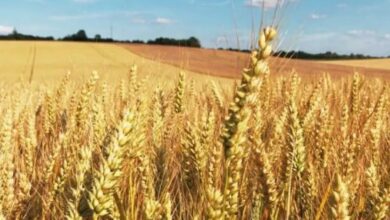
A core aspect of the minister's mandate involves consolidating food security through sustained efforts to achieve lasting self-sufficiency in durum wheat and reduce reliance on imports. This includes addressing distribution channels and implementing measures to combat speculation in widely consumed products, aiming to stabilize markets and protect consumers. Significant agricultural development is specifically planned for Algeria's southern regions, featuring a $3.5 billion Qatari Baladna investment in Adrar for dairy and livestock production, and an Algerian-Italian project in Timimoun valued at €420 million, focused on cereals and pulses. The Office for the Development of Industrial Agriculture in Saharan Lands (ODAS) is expected to oversee the expansion of agricultural concessions and support infrastructure development in these production areas.
Furthermore, the ministry's portfolio extends to the fisheries and aquaculture sector, with plans to boost national production through the expansion of marine aquaculture with floating cages and the development of inland aquaculture. Initiatives are also underway to increase domestic production of fish feed, thereby reducing import dependency, as exemplified by the reopening of the Ouargla production unit in partnership with South Korea. The ministry will also manage Algeria's fisheries cooperation agreement with Mauritania, which allocates a 30,000-tonne fishing quota, alongside overseeing the country’s 2,467-tonne bluefin tuna quota in national waters. Efforts to modernize the national fleet, including support for local shipbuilding of tuna vessels and large trawlers, and measures to enhance the social protection of fishermen, are integral to the comprehensive program.
5 Comments