Eminent Scientists to Guide Algerian National Priorities
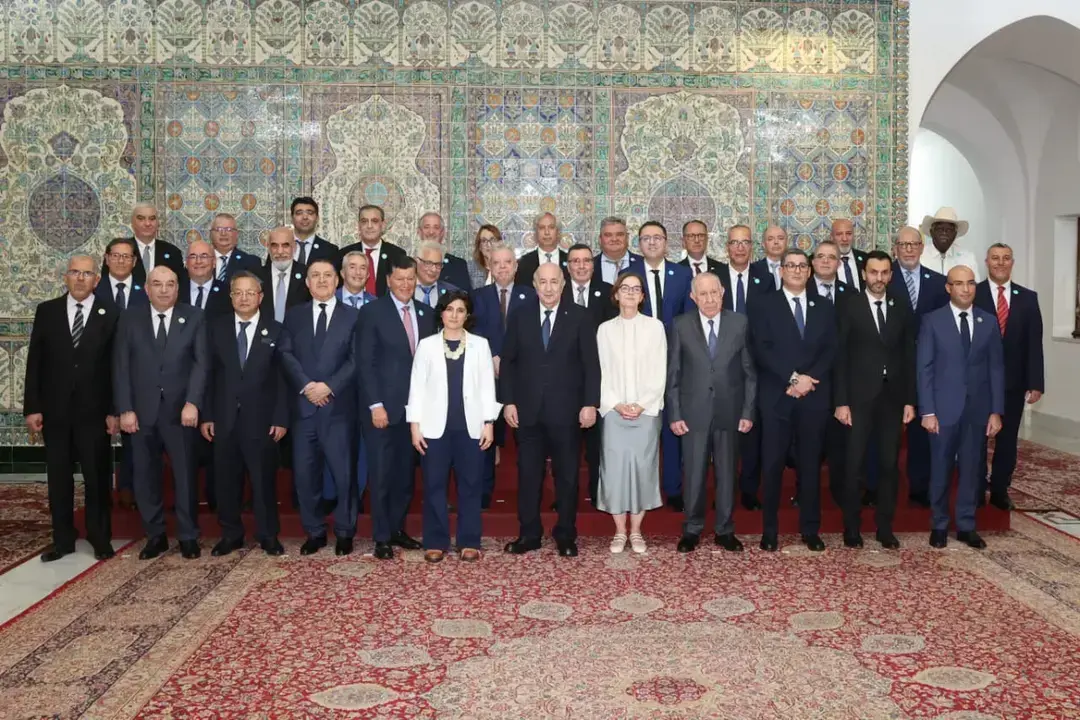
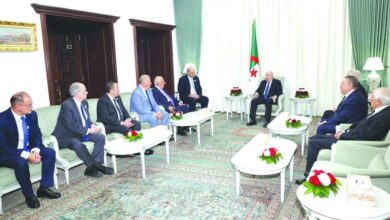
The High Council for the National Scientific Community Abroad, an advisory body bringing together eminent Algerian scientific talents with international reputations, is set to present a strategic roadmap to the President of the Republic. This initiative underscores a resolute political will by President Abdelmadjid Tebboune to establish permanent frameworks, making Algerian competencies abroad active partners in national development. Following its recent inauguration and a reception of its members by President Tebboune, the Council commenced its first working session in Algiers, aiming to integrate global Algerian scientific expertise into the nation's strategic priorities.
Coordinated by renowned medical scientist Professor Elias Zerhouni, the Council operates as an autonomous body directly attached to the Presidency, possessing distinct legal personality and financial independence. Its core mission is to transition from sporadic contacts to a lasting institutional partnership, linking Algerian minds abroad with the national higher education, scientific research, and innovation ecosystem. This shift aims to accelerate Algeria's transformation into a knowledge-driven economy by providing crucial scientific and technological advice and supporting the development of modern technologies.
The Council's strategic objectives focus on critical national security and industrial priorities, including artificial intelligence, cybersecurity, energy security, health security, food security, and water security. It is tasked with formulating scientific opinions and recommendations to guide the productive apparatus, thereby reinforcing key domains essential for national advancement. This approach reflects a fundamental evolution in engaging the diaspora, viewing their expertise as an integral component of national human capital and a significant added value for the new Algeria.
During its inaugural working sessions, the Council is discussing and preparing its internal regulations, setting its agenda, forming specialized committees, and outlining an annual work plan. Professor Zerhouni affirmed that the impending roadmap, which will be submitted to the President, is structured around two main pillars: identifying specific programs in collaboration with national experts after understanding Algeria's scientific and economic environment, and significantly expanding the network of Algerian scientists abroad to create a broad reservoir of expertise. These efforts will culminate in comprehensive annual reports and recommendations directly submitted to the Presidency to guide major projects and public policies for sustainable development. The members' contributions are voluntary, driven by a commitment to the homeland.