











Dhaka Event Highlights Algeria’s Liberation Struggle Legacy
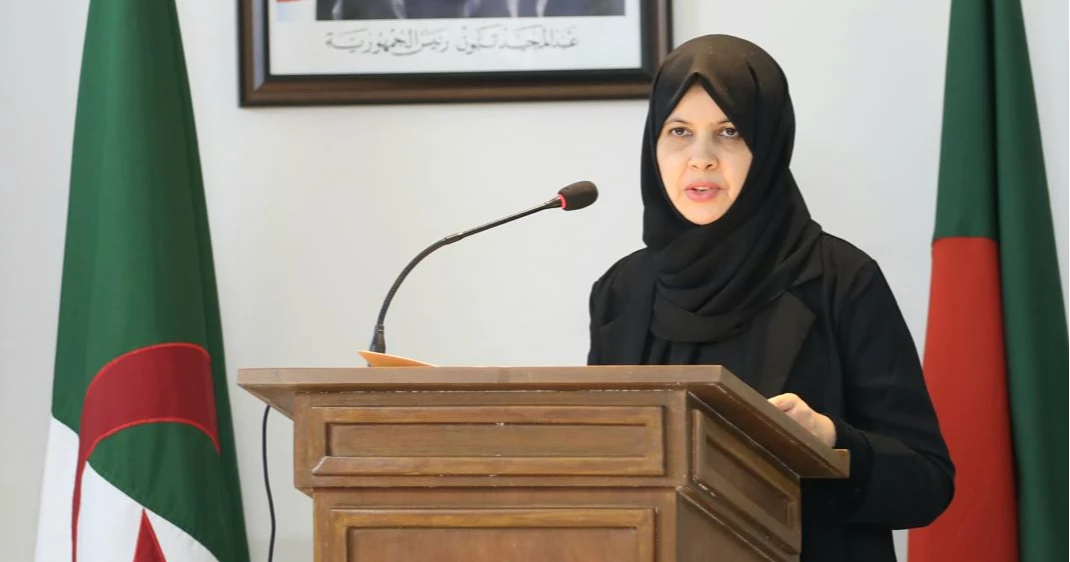
The Embassy of Algeria in Dhaka recently commemorated National Mujahid Day, a significant event marking two pivotal milestones in Algeria’s liberation struggle: the North Constantine Offensive of August 20, 1955, and the Soummam Congress of August 20, 1956. Hosted by the Embassy on behalf of Ambassador of Algeria to Bangladesh Dr. Abdelouahab Saidani, the observance gathered members of the diplomatic community, Bangladeshi officials, and friends of Algeria. The commemoration was held under the official slogan, “We Follow in Their Footsteps of Struggle,” emphasizing enduring values such as unity, sacrifice, loyalty, and commitment to national sovereignty.
The North Constantine Offensive, led by revolutionary leader Zighout Youcef, demonstrated broad popular support for the National Liberation Front (FLN), expanded the armed struggle, and contributed to the internationalization of the Algerian question, including at the United Nations. One year later, the Soummam Congress marked a decisive step in structuring the Revolution by strengthening political and military coordination and establishing important institutional foundations for the future Algerian State. Collectively, these two events underscored the Algerian liberation movement’s popular support, strategic organization, and determination to achieve independence.
The legacy of August 20 continues to shape Algeria’s national identity and foreign policy, particularly through its adherence to principles of sovereignty, unity, self-determination, and solidarity with peoples defending their legitimate rights. This year's commemoration also highlighted the profound historical parallels between Algeria’s own fight for liberation and Bangladesh’s independence struggle. Both nations’ histories were marked by political and socio-economic inequality, cultural suppression, popular mobilization, and the pursuit of self-determination and national sovereignty, fostering enduring bonds of friendship and solidarity between the Algerian and Bangladeshi peoples.