





Africa Benefits from Algerian Economic Integration Efforts
Algeria is asserting its status as a significant macroeconomic power in Africa, with a Gross Domestic Product (GDP) ranging between $260 billion and $280 billion. The nation is accelerating its economic integration across the continent by deploying key energy companies and establishing Algerian banks abroad. This strategic expansion is designed to bolster continental trade and provide financing for major African development projects.
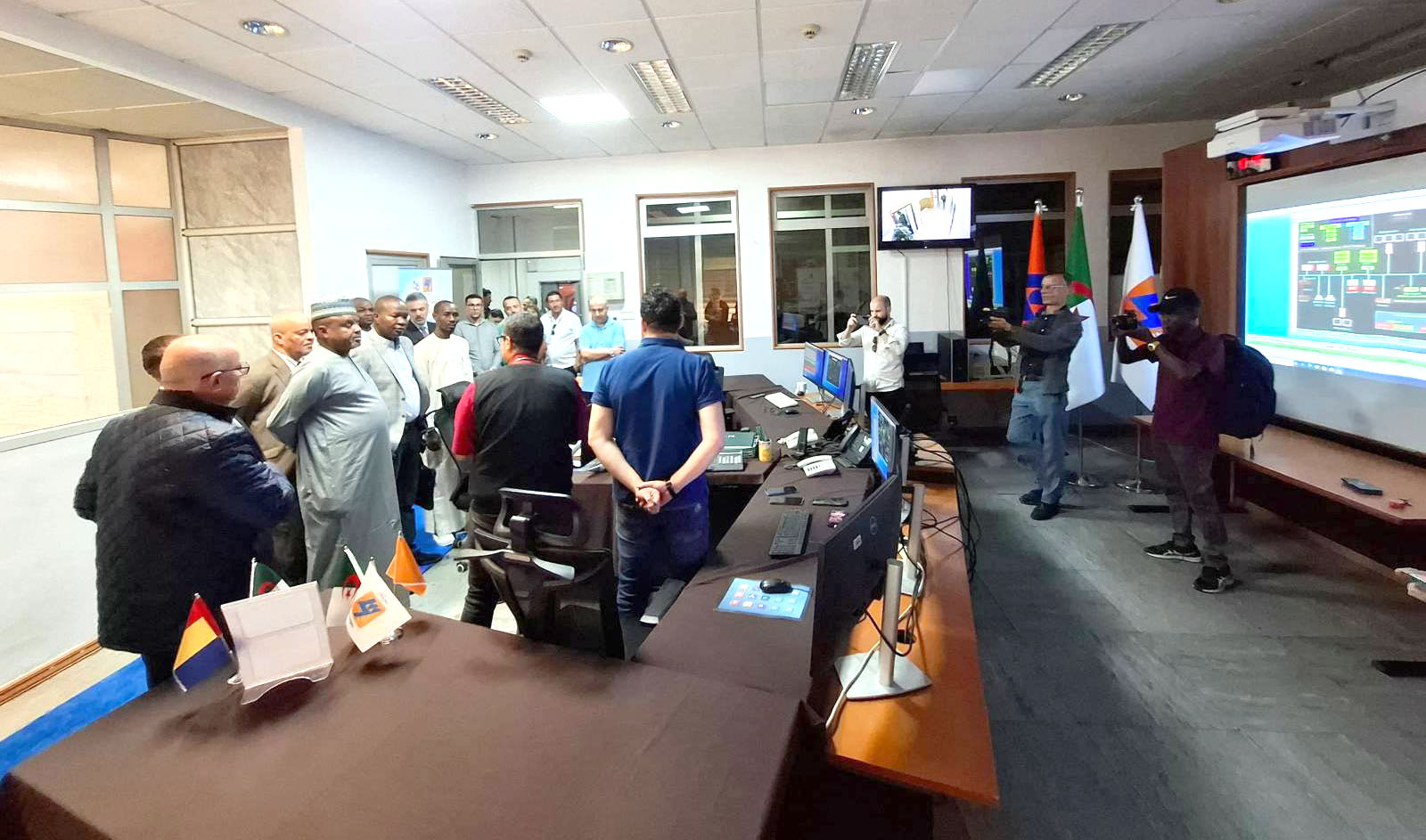
Sonatrach, a continental leader in hydrocarbon exploration, production, and commercialization, is actively involved in structuring projects such as the Trans-Saharan Gas Pipeline (TSGP), connecting Nigeria, Niger, and Algeria to international markets. The company also participates in joint renewable energy programs across Africa, including recent drilling operations in Kafra Sud-Est 1 and joint crude oil commercialization with Niger's Sonidep. Sonatrach has signed cooperation and exploration protocols with several countries, including Libya, Mozambique, Mauritania, Zimbabwe, Congo, and Uganda, covering research, refining, and expertise transfer. Similarly, Sonelgaz is enhancing its African presence through electrical projects and grid interconnections in countries like Tunisia, Niger, Chad, Côte d'Ivoire, Mozambique, and Burkina Faso, aiming to link North African networks and connect the South to ECOWAS member states.
The expansion of Algerian banks in Africa is also advancing rapidly, with the establishment of regional public subsidiaries. Examples include the Algerian Union Bank (AUB) inaugurated in Nouakchott, Mauritania, and the Algerian Bank of Senegal (ABS) launched in Senegal, both in September 2023. These initiatives aim to support commercial exchanges, encourage investment, and facilitate Algeria's economic integration on the continent, with further expansions planned in Niger and Côte d'Ivoire. Beyond these investments, Algeria has allocated $1 billion through the Algerian Agency for International Cooperation to finance development projects, established free zones to boost intra-African trade, cancelled $1.5 billion in debts for 14 African countries, and trained over 65,000 African executives.
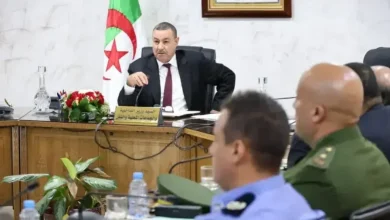
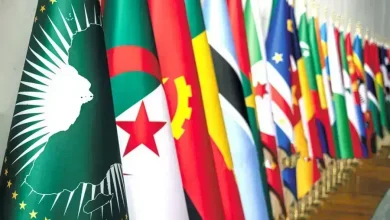
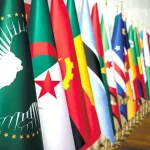
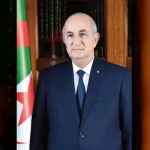
Underscoring its commitment, Algeria's President conveyed a message at the 3rd Summit on Financing Infrastructure Development in Africa, affirming the nation's conviction in African unity, solidarity, and fraternity. Algeria has initiated strategic megaprojects of continental scope, committed to mobilizing local resources, fostering innovative multilateral partnerships, and cooperating with regional and international financial institutions. This proactive role is driven by the belief that cooperation and integration are the most effective paths to shared prosperity, emphasizing the need for an interconnected network of infrastructure—including roads, ports, railways, digital spaces, and energy sources—to facilitate the movement of people, goods, and services, thereby strengthening regional integration and unifying African markets.