











National Digital Platform Enhances Algeria’s Climate Early Warning
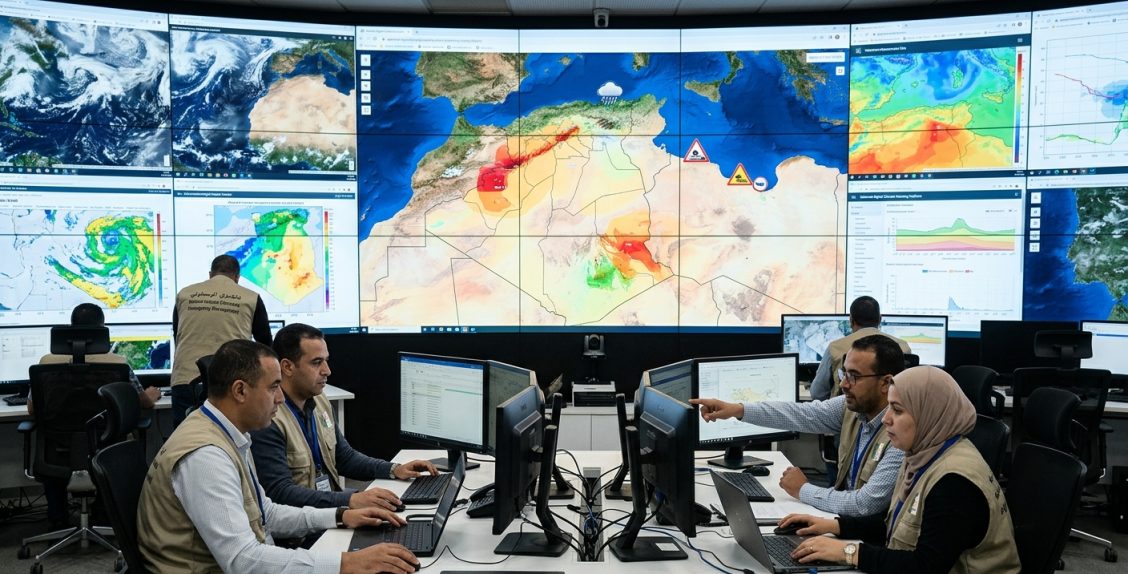
Algeria has established a national digital climate early warning platform, marking a significant step towards proactive environmental risk management. This system is designed to collect and analyze comprehensive climatic and field data, integrating it across various sectors to identify potential hazards early. Its core objective is to transition from merely observing natural phenomena to accurately predicting their evolution and issuing actionable alerts, thereby facilitating timely preventive interventions to minimize potential losses and enhance risk management capabilities.
The platform's effectiveness hinges on several critical components, including robust inter-sectoral coordination among entities such as meteorological services, civil protection, health, and electricity. Experts emphasize the necessity of developing advanced monitoring and sensing networks, alongside the adaptation of predictive models to the unique geographical and climatic specificities of Algerian regions. Successful implementation also requires clear field intervention plans, sustainable funding for technology updates and maintenance, continuous staff training, and the establishment of a supportive legal framework to govern data exchange, reporting, and intervention processes, ensuring clear responsibilities and rapid decision-making.
A crucial aspect of this digital initiative involves converting complex climate data into concrete field decisions. The system aims to integrate data from high-density automated monitoring stations, Internet of Things (IoT) sensors, and high-resolution satellite analysis, leveraging radar technologies for precise geographical risk detection. This advanced technical framework, incorporating cloud processing and big data management, facilitates seamless information flow and enables the platform to act as a proactive guidance tool, capable of supporting interventions swiftly, particularly against rapid-onset events like flash floods and wildfires, by linking data to automated business rule engines that trigger immediate alerts when critical thresholds are exceeded.
The long-term success of Algeria's early warning platform also depends on the resilience of its digital infrastructure, especially its ability to withstand severe weather conditions that could impact communication and power networks. Continuous updates to predictive models are vital to accommodate evolving environmental patterns, including temperature changes, precipitation, vegetation status, and urban expansion. By integrating predictive algorithms with ground sensor networks and operations rooms, the platform aspires to translate sophisticated climate data into executable preventive plans, thereby strengthening Algeria's overall capacity for early prevention and safeguarding lives, property, and the environment.