






Continental Integration Gains Momentum with Algerian Peace Vision
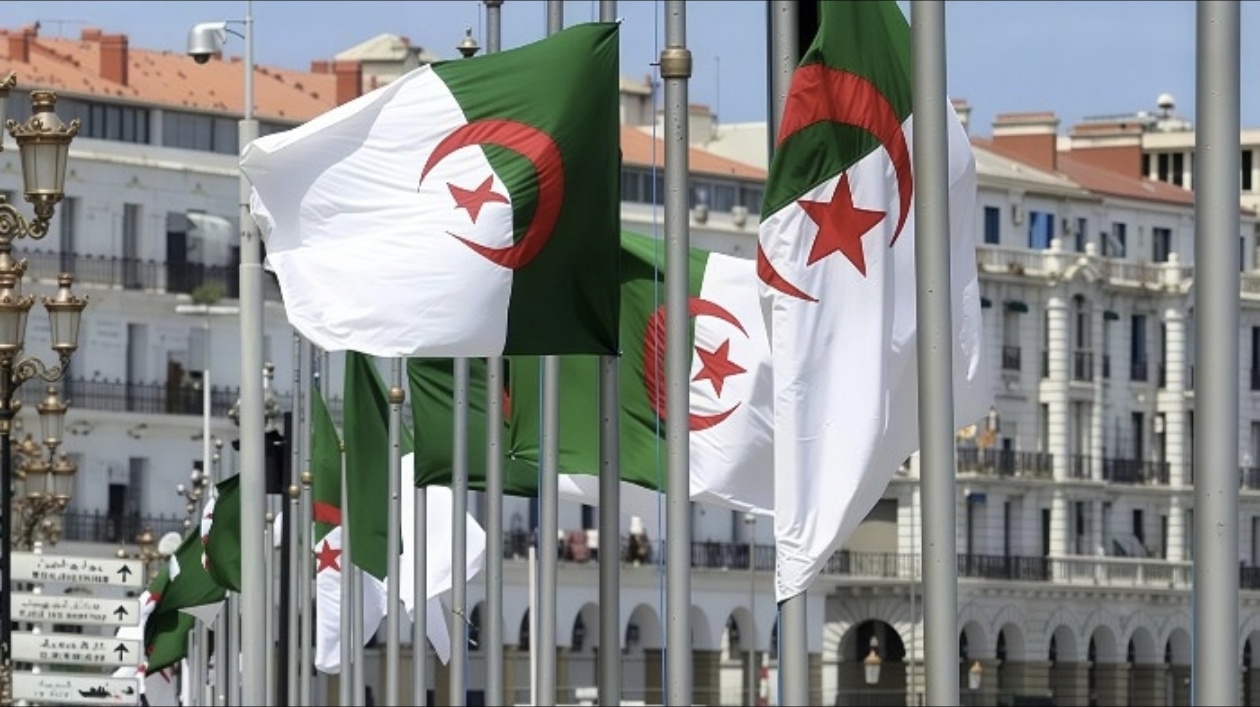
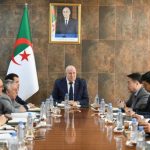
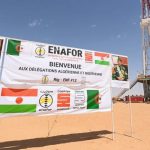
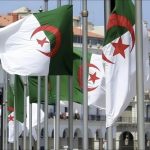
Algeria is steadily advancing continental integration, a cornerstone of its foreign policy, guided by President Abdelmadjid Tebboune's strategic vision. This approach prioritizes Africa as Algeria's primary geopolitical and strategic extension, focusing on a tripartite of peace, security, and development, alongside distinctive economic partnerships. The dynamic cooperation between Algeria and Niger stands as a leading model for continental integration, demonstrated by the swift implementation of bilateral agreements. This includes the supervision by Prime Minister Seifi Gharib and his Nigerien counterpart of the launch of the "Kafra" oil field project, and a series of mutual visits by officials, affirming a shared commitment to cross-border strategic partnerships.
The nation's vision for African integration is underpinned by major strategic infrastructure projects designed to foster connectivity and trade. These initiatives include contributing to the completion of the Trans-Saharan Road in countries like Chad to accelerate commercial movement, and supporting the Trans-Saharan Gas Pipeline linking Nigeria and Europe via Algeria and Niger. Additionally, efforts are underway to develop internal transport networks to connect Algeria's southern regions with ports and border crossings. Algeria also strengthens commercial and institutional partnerships through the Algerian Agency for International Cooperation and Support for Sustainable Development, operating under the conviction that continental security is intrinsically linked to shared economic development.
Furthermore, Algeria is implementing a new policy centered on mutual interests, reciprocity, and sustainable development, which serves as a foundation for stability. This includes actively promoting the African Continental Free Trade Area (AfCFTA) agreement to deepen economic integration, an commitment evidenced by its hosting of the fourth Intra-African Trade Fair. Algeria has also launched several structural projects aimed at opening up the Sahel region and enhancing intra-African exchanges, solidifying its role as a pivotal actor in regional energy integration through initiatives like Sonelgaz's agreements with the West African Power Pool and ECOWAS regional electricity regulatory body, aiming to create a regional electricity market essential for industrialization and economic competitiveness. Moreover, Algeria has lifted all customs barriers within the AfCFTA framework and joined the Guided Trade Initiative in December 2023, enhancing its air links to African capitals via Air Algérie to bring the continent closer.
Experts observe that Algeria's recent diplomatic actions toward the Sahel represent a deliberate reassertion of its regional role, emphasizing a new path that strengthens African integration, connects security with development, and rebuilds trust with neighboring nations. This approach, rooted in dialogue and political solutions rather than escalation, positions Algeria as a central partner in ensuring security and stability across the continent. Its geographical location and shared borders with Sahelian states underscore a direct responsibility for regional stability, leading to a balanced strategy that prioritizes mediation, development support, and combating terrorism, all while upholding national sovereignty and rejecting external interference. This comprehensive vision aims to build a more stable and integrated African space, where development and cooperation form the basis for shared security.