







Local Integration Pivotal for Algeria’s Economic Autonomy
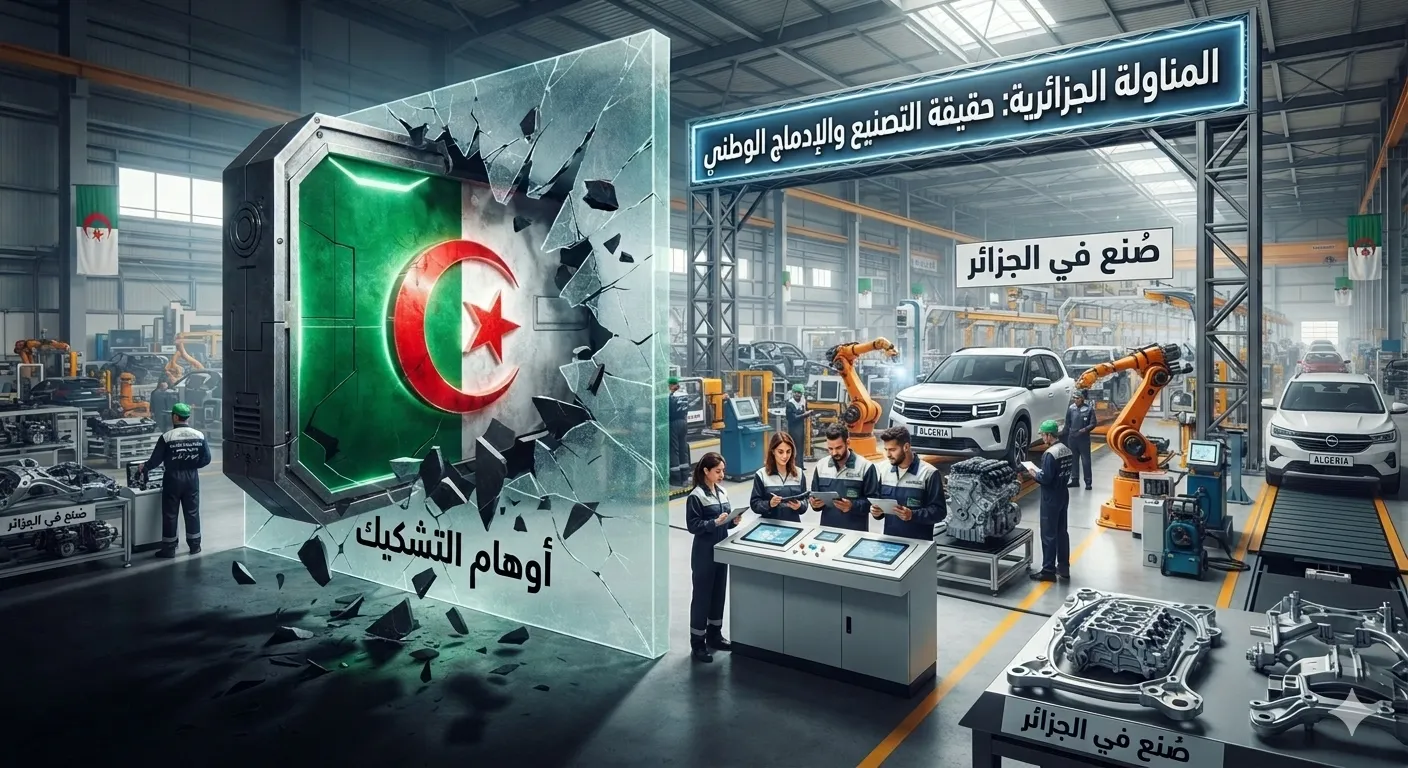
Algeria is making significant strides in its industrial landscape, positioning subcontracting as a fundamental pillar for building an integrated economic system capable of driving sustainable growth. This transformation elevates subcontracting from a secondary activity to a core strategy for enhancing national sovereignty and reducing reliance on external markets. The country's commitment to increasing local integration and localizing the value chain is proving to be a robust approach, fostering the development of specialized industrial poles.
The emphasis on industrial subcontracting carries increasing strategic importance within Algeria's current economic dynamic. New directives confirm that establishing a solid industrial foundation requires a robust and sustainable network of local operators and subcontractors. These entities are equipped to meet the demands of major factories, adhering to high standards of quality, cost-effectiveness, and timely delivery. This conceptual shift integrates subcontracting into the heart of economic diversification efforts, generating actual added value and breaking traditional dependencies on foreign markets. The success of large investments is now measured not solely by capital size, but by their capacity to forge interconnected relationships with local small and medium-sized enterprises (SMEs) to supply necessary inputs and services.
Ongoing major projects are opening strategic opportunities for national subcontracting. These include the Ghara Djebilet mine, the integrated phosphate project, and zinc mines. Such investments extend beyond raw material extraction, creating sustained demand for a broad spectrum of specialized industrial services in mechanics, electricity, and engineering. The significance of these projects lies in their ability to attract subsidiary investments, ensuring that added value remains within the nation. This is evident in the automotive sector, particularly at the Stellantis complex in Oran, which aims to establish a manufacturing base reliant on local subcontractors for plastic components, electrical equipment, and mechanical parts, with a focused effort to exceed 30% local integration.
The Algerian Agency for Investment Promotion has adopted a modern strategy, establishing specialized investment hubs that group technologically integrated projects within equipped geographical zones. This approach aims to boost local integration rates and reduce logistical costs. Furthermore, companies like "SOKON Algeria" exemplify this national strategy by transitioning from import activities to actual local manufacturing in Batna, focusing on trucks and buses. This model positions local subcontractors as permanent partners, subject to stringent quality and commitment tests. SOKON Algeria has also established two specialized branches for metal transformation, body manufacturing, and painting, collaborating with an international technological partner to transfer knowledge and qualify local enterprises. This demonstrates the Algerian subcontractor's capability to meet global challenges when provided with the right environment and mutual trust, ultimately redefining Algeria's economic sovereignty and opening national enterprises to global market competition.