









Water Police, Digital Tools Safeguard National Resources
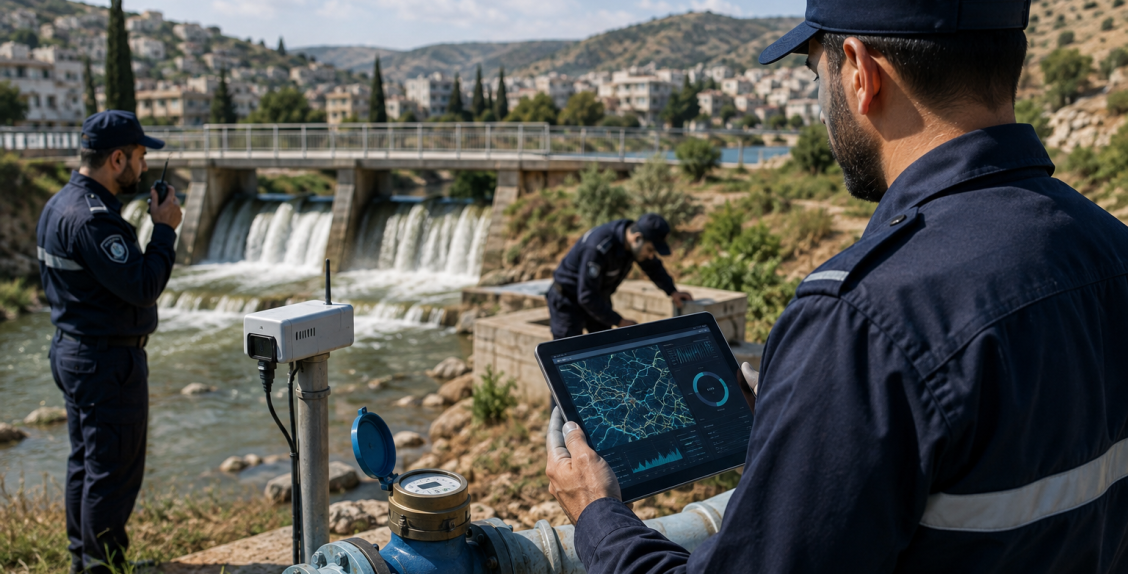
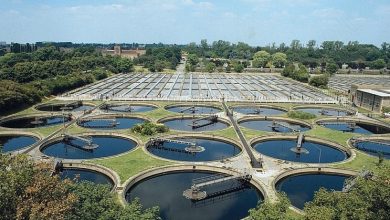
Algeria is implementing a comprehensive approach to enhance the protection of its water resources, integrating robust field surveillance with advanced digital transformation initiatives. Central to this strategy is the activation of a dedicated "water police" force, tasked with addressing water wastage, illegal connections, and various forms of network attacks. This integrated framework positions water resources within a holistic protection system, emphasizing continuous monitoring, precise data utilization, and active citizen participation in safeguarding this vital national asset.
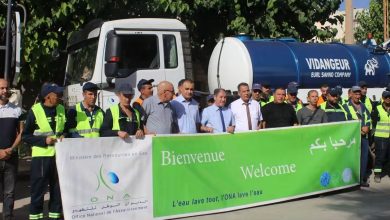
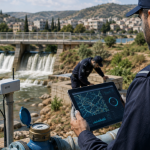
The newly introduced water police force is a key element in mitigating diverse pressures on water networks and infrastructure, including unauthorized connections, damage to facilities, and the inefficient use of water. Expert analysis, including insights from Imad Eddine Bouznad of Guelma University, highlights the importance of connecting field surveillance with digital solutions to transform data on networks, consumption, and leaks into actionable decisions. The water police are expected to play a preventive role by identifying and addressing violations early, thereby minimizing losses and maintaining service continuity.
Simultaneously, Algeria is advancing its water management capabilities through digitalization. The adoption of Geographic Information Systems (GIS) and various digital platforms facilitates enhanced monitoring of water networks. This technology allows for the precise linking of data related to network pathways, leakage points, consumption rates, and technical intervention sites, providing a clear overview of network status. Such smart monitoring enables a shift from reactive to proactive interventions, improving resource efficiency, reducing outage durations, and optimizing maintenance operations through accurate network maps and updated databases.
This integrated strategy, which combines specialized field units, digital innovation, and community engagement, aims to strengthen Algeria's water security. By reducing losses from inefficiencies and unauthorized use, every saved quantity of water becomes an additional resource to meet the needs of the population. The success of this comprehensive approach relies on converting available information into swift field decisions, directing surveillance to critical points, and enhancing overall network performance, ultimately ensuring more efficient public water services for all citizens.