








Poetry and Cinema Showcase Algerian Artistic Synergy
Algeria is showcasing its vibrant cultural scene, underscoring the dynamic relationship between poetry and cinema, the prominent role of contemporary Algerian poetry in the Arab world, and the nation's commitment to preserving its historical memory. This focus reflects a comprehensive approach to cultural expression and the safeguarding of national identity. Experts have delved into the profound connections across these artistic and historical domains, highlighting their importance to Algerian society.
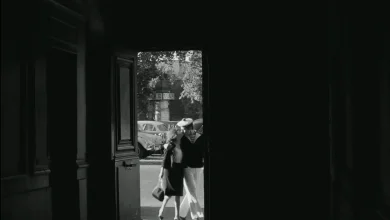
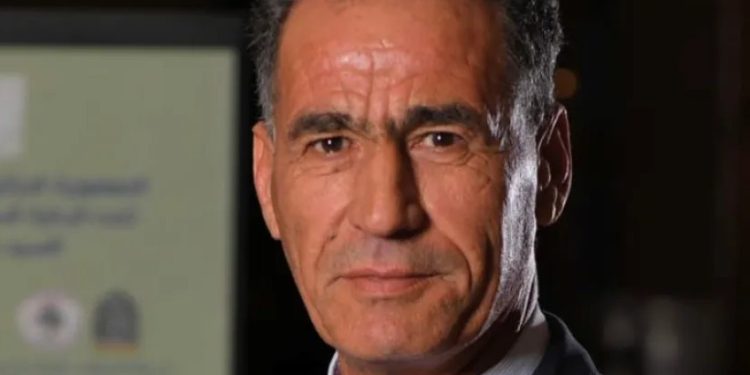
The interplay between Algerian poetry and cinema was a central topic of discussion, with film critic Jamal Mohammedi exploring the experience of poet Abderrahmane Ben Aissa within director Mohamed Lakhdar Hamina's film "Chronicle of the Years of Embers." Mohammedi detailed how poetic language can seamlessly transition into cinematic imagery while retaining its intrinsic rhythm and significance. He characterized "poetic cinema" as a form where the visual narrative itself embodies the essence of poetry, illustrating how a single cinematic shot can convey a meaning that might require many verses in a poem. The collaboration between Ben Aissa and Hamina exemplifies this artistic synergy, demonstrating a unique "cinematic translation of poetry" where narrative elements are transformed into powerful poetic expressions. Concurrently, poet Ibrahim Qaraali affirmed the substantial and qualitative presence of contemporary Algerian poetry on the Arab stage, attributing this success to individual poetic endeavors he views as forms of cultural resistance. He noted the emergence of new poetic voices committed to innovation and distinguishing their unique styles.
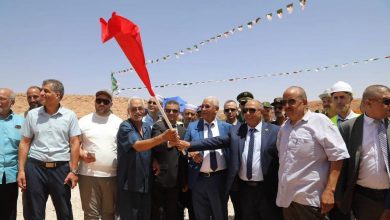
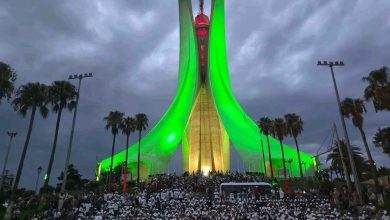
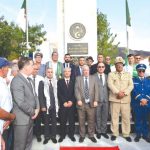
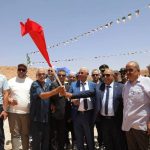
In parallel, Algeria has reaffirmed its dedication to preserving its historical heritage, notably through the official commemoration of the National Day of the Mujahid in Bejaia. This event honored the dual anniversaries of the North Constantine attacks and the Soummam Conference, held on August 20, 1955, and 1956, respectively. Minister of Mujahideen and Rights Holders, Abdelmalek Tacherift, led ceremonies that included raising the national flag, laying wreaths, and reciting Al-Fatiha at the Martyrs' Cemetery in Ouzellaguen. A memorial was inaugurated at Ifri Ouzellaguen, the historical site of the Soummam Conference, where Tacherift also inspected ongoing renovation work aimed at protecting and enhancing historical landmarks. A symbolic tree was planted to mark the 70th anniversary of the Soummam Conference, symbolizing continuity and the enduring legacy of national memory across generations.
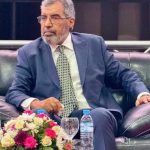
Further reinforcing this commitment, an international forum titled "Culture of Resistance between History, Memory, and Imagination," convened under the patronage of President Abdelmadjid Tebboune, explored how Algerian popular resistance played a pivotal role in safeguarding the nation's historical, cultural, and identity heritage. Academics, including Professor Nawal Tayeb, highlighted the resistance's success in preserving customs, traditions, and ideas against colonial efforts to erase national identity. Researcher Fazia Farah emphasized the integration of identity, history, and memory into scientific research, underscoring the importance of revitalizing national customs as part of collective memory. The High Commission for Amazighity's Secretary-General, Si El Hachemi Assad, pledged continued collaboration with relevant sectors to preserve national memory, including incorporating the culture of resistance into specialized research laboratories.