






Laghouat-Ghardaia-El Menia Rail Project Reshapes Regional Economy
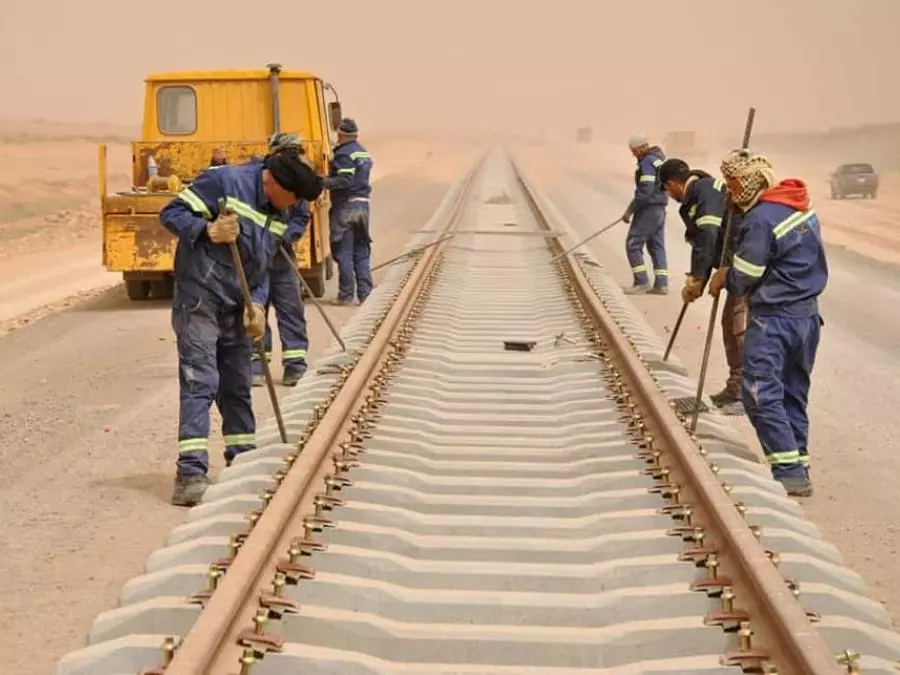
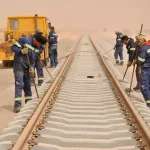
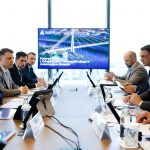
Algeria has commenced a strategic phase in infrastructure development, moving from isolated projects to an integrated network. This comprehensive approach focuses on connecting production areas with consumption centers, ports, and both national and international markets. The Minister of Public Works and Basic Infrastructure, Abdelkader Jelawi, issued instructions to launch the railway line linking Laghouat, Ghardaia, and El Menia, simultaneously accelerating national road projects and developing port and airport facilities. This initiative underscores the public works sector's integral role in the nation's economic development.
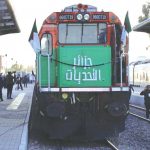
Economists, such as Dr. Ahmed El Haidousi from the University of Algiers, view these projects as crucial for reshaping Algeria's economic landscape, particularly in the inner and southern regions rich in agricultural, industrial, mining, and energy potential. The Laghouat-Ghardaia-El Menia railway, for example, is considered a key logistical artery that will link the high plateaus with the South, facilitating the transport of products, goods, and raw materials while reducing costs and enhancing investment accessibility. Railways are recognized for their efficiency in moving large volumes over long distances, complementing flexible road networks. The successful integration of these transport modes, including feeder roads and logistics zones connecting economic hubs to railway stations, is essential for a robust and competitive transport system.
The acceleration of projects on vital routes like National Road No. 1, which connects the North and South, along with National Roads 3 and 6, is set to improve supply chains, reduce travel times, and lower transport costs. Beyond land transport, port development is critical for providing effective export channels for agricultural, industrial, and mineral products, thereby supporting national economic diversification. Enhanced port efficiency, coupled with direct road and rail links, will reduce logistics costs and boost the competitiveness of Algerian goods in international markets. Additionally, the development of airport facilities, especially in southern and internal wilayas, aims to improve connectivity for investors, experts, and tourists, complementing the overall transport network and strengthening regional attractiveness for investment. Digitalization in monitoring project implementation, costs, and quality is also a key component, ensuring timely delivery and effective resource management.
This integrated infrastructure strategy is designed to transform Algeria's vast geographical expanse from a challenge into an economic advantage. By establishing a modern, interconnected transport system, the objective is to leverage the South's significant potential in agriculture, mining, energy, and industry. Ultimately, these efforts represent a gradual rebuilding of Algeria's economic map, aiming for balanced development across the North, South, and High Plateaus, and positioning infrastructure as a direct catalyst for investment, production, and export.