












Diplomat Khaled Leads AU Council, Advocates Proactive Peace
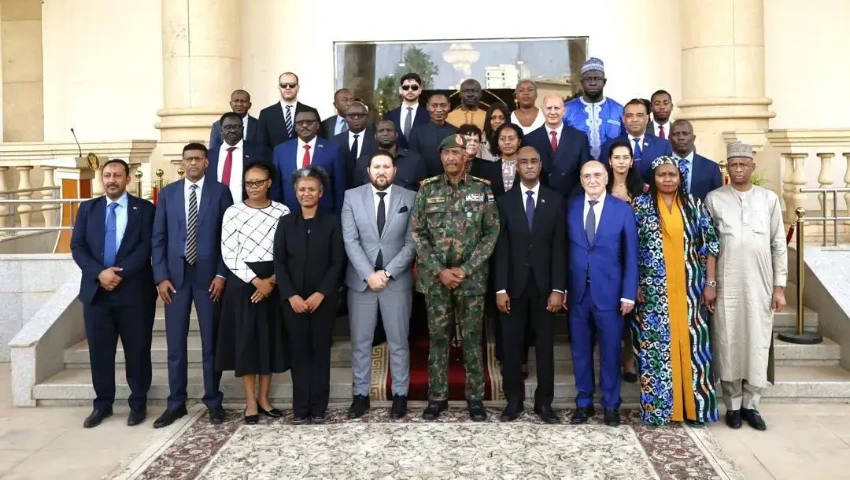
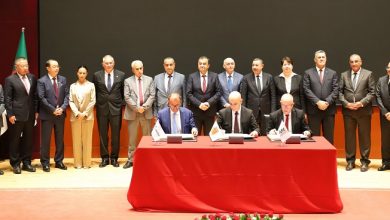
Algeria's sustained efforts and active role within the African Union (AU) have been recognized. This commendation was highlighted during a meeting of the AU Peace and Security Council (PSC), which Algeria presided over. The meeting focused on enhancing the continental organization's capabilities in early warning, conflict prevention, and rapid response mechanisms. Algeria's Ambassador and Permanent Representative to the AU, Mohamed Khaled, served as the Council's president for the month.
During the meeting, Ambassador Khaled emphasized the strategic importance of the Continental Early Warning System in anticipating and preventing crises and conflicts across Africa. He advocated for a proactive and preventive approach, moving away from reactive responses. The Ambassador detailed four technical mechanisms designed to activate early warning and link it to rapid response, while also improving the monitoring of threats and risks. These mechanisms include a continental risk assessment and mapping tool, an AU model for response activation, an early warning system for governance under the African Peer Review Mechanism (APRM), and an analytical matrix for African peace agreements.
Ambassador Khaled also acknowledged the sustained efforts of various AU institutions and bodies, such as the AU Commission, the African Centre for Study and Research on Terrorism (ACSRT), the AU Mechanism for Police Cooperation (AFRIPOL), and the APRM. These bodies play a central role in developing mechanisms to support preventive diplomacy, consolidate coordination, and facilitate anticipatory action within the framework of the African Peace and Security Architecture. The meeting's participants underscored the necessity of activating these tools and ensuring the reliability of data, information, and their sources.
Experts at the meeting presented methods to reinforce early warning and its connection to rapid response, along with improving threat and risk monitoring. Council members stressed the importance of strengthening the link between early warning and preventive action, emphasizing the optimal use of available information and analyses to support decision-making and ensure prompt, appropriate intervention. Member states were also informed of tangible progress by a technical working group, which developed a proposal for a dynamic threat assessment and risk mapping tool based on nine major threat categories, and the PSC highlighted the importance of harmonizing data collection, analysis, and risk assessment methodologies, alongside enhancing data exchange and institutional coordination among AU bodies and relevant regional mechanisms.