















Western Algeria Study Targets Diabetes Heart Risk
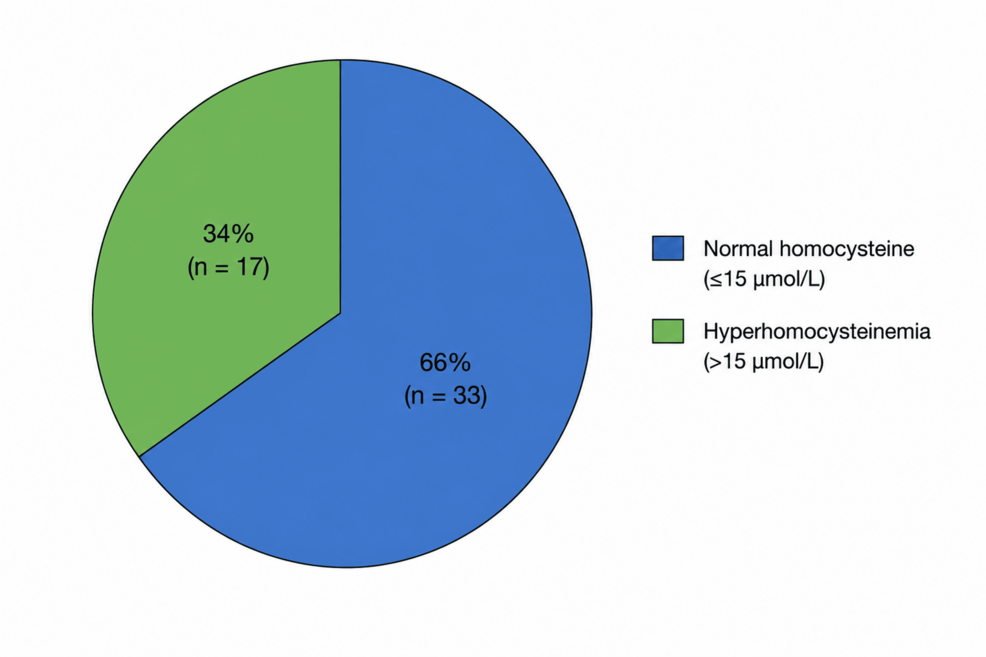
A new cross-sectional study originating from Western Algeria is focusing on the role of plasma homocysteine. The research specifically investigates homocysteine as a potential biomarker for assessing cardiovascular risk among children and adolescents diagnosed with type 1 diabetes mellitus. The primary objective of this scientific endeavor is to enhance the stratification of cardiovascular risk within this particular and vulnerable patient population.
The study’s findings are intended to inform and refine current medical management strategies for young individuals living with type 1 diabetes. Cardiovascular disease remains a significant concern, being a leading cause of premature morbidity and mortality among those affected by type 1 diabetes. By improving risk stratification, the research aims to guide more effective intervention and care protocols.
This Algerian research represents a contribution to the understanding of type 1 diabetes complications and patient care. The work underscores local efforts to advance medical knowledge and improve public health outcomes for its younger citizens, particularly in the critical area of cardiovascular health management. Such studies are vital for developing targeted approaches to long-term health challenges.