












AU Council Approves Algeria’s Early Warning System

Algeria has championed a significant paradigm shift in African security management, moving the African Union (AU) towards proactive crisis anticipation rather than reactive responses. During its presidency of the Peace and Security Council (PSC), Algeria spearheaded the approval of new tools designed to enhance the Continental Early Warning System. This initiative aims to bolster the AU's capacity to prevent conflicts and facilitate rapid intervention across the continent.
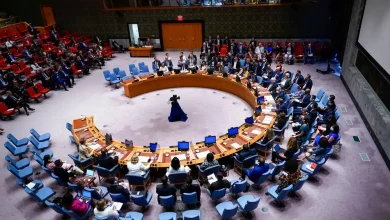
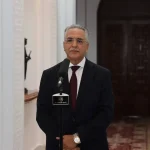
Ambassador Mohamed Khaled, Algeria's permanent representative to the AU and PSC President for August, advocated for this change during a high-level session in Addis Ababa. He presented four new mechanisms to reinforce the continental framework: a risk assessment and mapping tool, a model for triggering the AU's response, an early warning system for governance developed within the African Peer Review Mechanism, and an analytical matrix for monitoring peace agreements. These proposals seek to better connect analytical capabilities with decision-making processes, enabling more targeted and timely interventions.
The PSC welcomed Algeria's initiative, recognizing the risk mapping tool as a foundational element for the future African response activation model. Member states validated a proposed roadmap that includes establishing a permanent coordination mechanism, adopting common protocols for information exchange, developing an interactive digital platform, and launching pilot projects and training programs for analysts. The overarching objective is to equip the African Union with a system capable of detecting emerging threats, improving decision-making, and intervening before crises escalate, aligning with the principle of "Early warning for rapid response."