











Algeria Hosts Coordination Meeting on Trans-Saharan Fibre-Optic Backbone Project
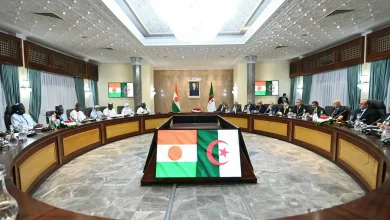
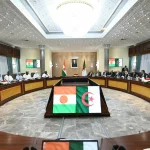
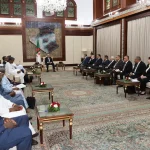
Algeria’s Minister of Post and Telecommunications, Sid Ali Zerrouki, chaired a meeting of the Liaison Committee responsible for the Trans-Saharan Fibre-Optic Backbone project, in the presence of representatives from partner countries and officials from the national institutions involved.
According to a statement issued by the ministry, the meeting provided an important opportunity to assess progress in implementing the strategic project and review its technical and organizational aspects.
Participants also discussed ways to strengthen coordination and cooperation among the various stakeholders in order to ensure that the project is completed under the best possible conditions and achieves its intended objectives.
Speaking during the meeting, Minister Zerrouki described the Trans-Saharan Fibre-Optic Backbone as one of Africa’s most significant digital interconnection projects.
He explained that the project will provide modern telecommunications infrastructure capable of improving the quality of communication services and increasing the flow of data between the participating countries.
The fibre-optic network is also expected to support economic and social development by improving connectivity, facilitating access to digital services and accompanying the digital transformation currently taking place across the region.
The minister stressed that the project reflects the spirit of cooperation and solidarity among African countries. He said it demonstrates their shared determination to build an integrated digital space that can reduce the digital divide and reinforce regional integration.
Zerrouki also reaffirmed Algeria’s commitment to supporting initiatives aimed at developing digital infrastructure and strengthening African partnerships in the field of information and communication technologies.
The Trans-Saharan project is intended to connect several African countries through a high-capacity fibre-optic network crossing the Sahara. By improving regional connectivity, it could help expand internet access, strengthen data exchange and create new opportunities for businesses, public institutions and local communities.
At the conclusion of the meeting, participants emphasized the need to continue joint efforts to complete the project’s remaining stages.
They also highlighted the importance of maximizing its contribution to digital connectivity, regional cooperation and sustainable development throughout the area covered by the network.
For more information, visit dzwatch.dz.