




Non-Hydrocarbon Export Procedure Streamlined by Bank of Algeria
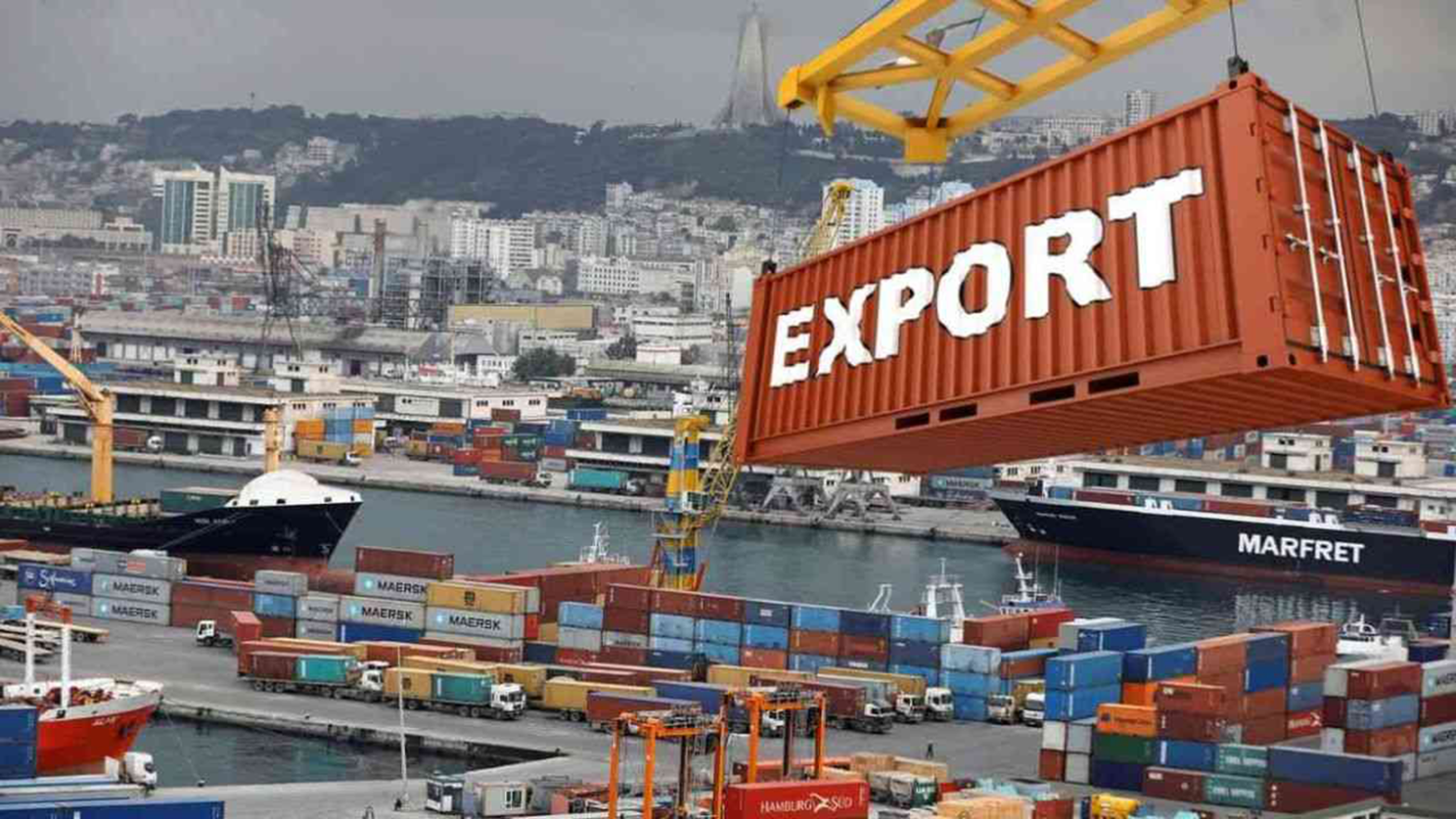
The Bank of Algeria has revised its regulations governing credit sales abroad, specifically for non-hydrocarbon exports, by eliminating the prior authorization formerly required for payment terms extending beyond 120 days. This significant procedural change is outlined in the new regulation no. 26-02, dated July 23, 2026, and published in the Official Gazette. The new framework modifies Article 61 of regulation no. 07-01 from February 3, 2007, shifting the focus from administrative control to a mechanism based on risk coverage. Export contracts for non-hydrocarbon products can now be concluded for cash or credit, with a maximum payment delay of 180 days, provided that terms exceeding 120 days are backed by export credit insurance from the nationally authorized body.
This evolution is designed to bring greater predictability to Algerian enterprises engaged with international partners. The ability to offer clients extended payment terms, a crucial commercial advantage in global trade, is now facilitated without the need for a prior administrative authorization. This policy change is seen as a further step in streamlining export procedures, reducing bureaucracy, and providing additional protection to Algerian exporters against non-payment risks through mandatory credit insurance for longer terms. The Bank of Algeria maintains clear oversight by setting a 180-day maximum for payment delays and requiring insurance for terms between 120 and 180 days, ensuring financial security while easing commercial operations.
The reform aligns with public authorities' broader strategy to establish non-hydrocarbon exports as a sustainable driver of economic diversification. The Ministry of Commerce has consistently emphasized improving the regulatory environment, simplifying procedures, and supporting operators as key pillars of this policy. Evidence of this accelerating dynamic includes a 16% increase in Algerian non-hydrocarbon exports during the first quarter of 2026 compared to the same period in 2025, according to an official from the Ministry of Foreign Trade and Export Promotion. Recent initiatives, such as the launch of