











Martian Meteorite From Algeria Dates Volcanic Past
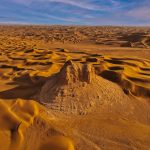
A Martian meteorite designated Northwest Africa (NWA) 13441, discovered in 2019 by camel breeders near Rafsa in northern Algeria, has been found to hold invaluable scientific data. Initial observations of the four dark green fragments, weighing approximately 84 grams, revealed their unassuming appearance. However, subsequent analyses published this August in the journal Geochimica et Cosmochimica Acta by a team led by Dylan Seal and Professor Ethan Baxter of Boston College have unveiled its profound significance, leveraging advanced isotopic analysis techniques.
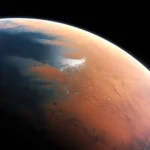
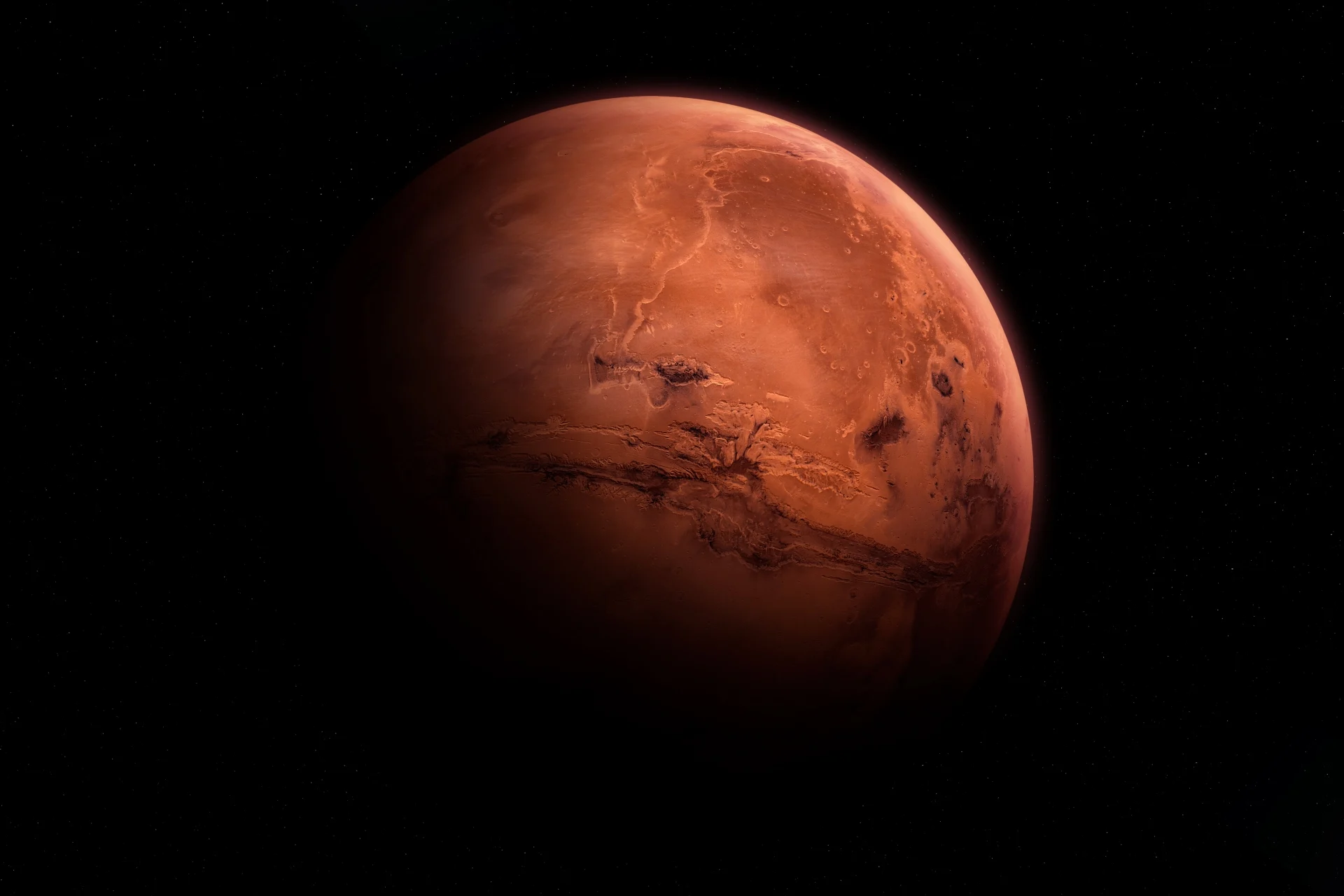
Through these cutting-edge techniques, the research team successfully dated the meteorite's crystallization to precisely 1.273 billion years ago. NWA 13441 is categorized as a shergottite, a common type among the approximately 400 Martian meteorites found on Earth. This specific age is critical as it fills a substantial gap of approximately two billion years in the existing shergottite sample record, which previously included only very young samples (under 600 million years) or extremely old ones (around 2.4 billion years). According to Dylan Seal, this discovery provides unprecedented information about Mars' magmatic and volcanic activity during this previously unrepresented period.
Beyond its age, the meteorite presented researchers with a second major revelation: a unique chemical signature in its neodymium composition, a rare metal. This signature is consistent with the imprint of the primitive Solar System during its formation 4.56 billion years ago. Professor Ethan Baxter noted that this suggests a portion of Mars' deep mantle has remained intact and unaltered by subsequent planetary processes since the planet's inception. Unlike Earth, where plate tectonics continuously recycles the crust, Mars cooled rapidly and lacks such a mechanism. Consequently, NWA 13441 originated from a deep magmatic reservoir that had never before been sampled, offering crucial insights for understanding the early history and evolution of Mars.