






Innovative Water Index Aims to Double Citizens’ Supply
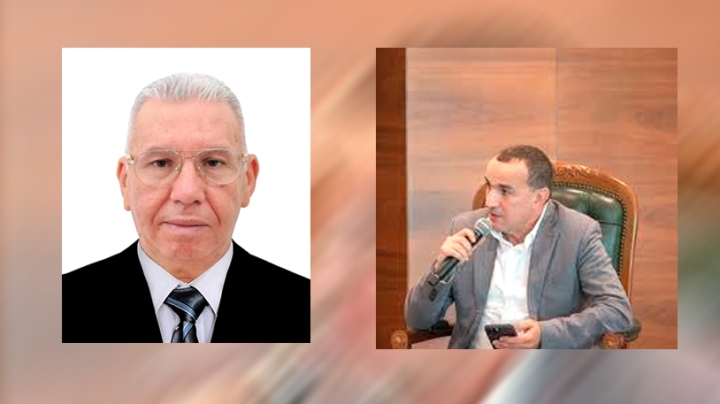
International water consultant Ahmed Kitab is spearheading the development of a groundbreaking new water poverty index, a national initiative aimed at precisely determining the actual water resource capacity of each region. Working alongside an Algerian research team, including Professor Najib Darwish, a water and energy expert and research director at the Energy Semiconductor Technology Research Center, Kitab's innovation seeks to introduce new criteria beyond traditional resource calculations. This comprehensive approach is designed to potentially double the annual per capita water share for Algerians, significantly enhancing water access for citizens.
The innovative index incorporates a broader range of water sources and management strategies, including seawater desalination, the reuse of treated wastewater, inter-basin water transfers, storage, groundwater recharge, and rainwater harvesting. This methodology represents a fundamental shift from traditional indicators that primarily assess the pressure of human needs on available resources. Instead, Kitab's model focuses on a region's actual capacity to sustainably meet its inhabitants' water requirements. The new model is anticipated to be ready for a patent application by the end of the current year through the National Institute of Industrial Property, under the name “Water Poverty Index – Kitab,” with plans for subsequent international patenting to facilitate its global application.
Currently undergoing national testing with real-world data, the index is proving to be a valuable tool for public authorities. Professor Darwish highlighted the model's capacity to measure a region's ability to fulfill its water needs sustainably from its entire water portfolio, transitioning from theoretical resources to genuinely mobilizable capacities. This diagnostic capability allows for the precise identification of water scarcity causes, thereby guiding intervention priorities and public investment in critical areas. Algeria stands as an important case study for this innovative approach, demonstrating a clear evolution from reliance on conventional natural resources to a diversified water portfolio that includes dams, groundwater, water transfers, desalination, and water reuse, underscoring the nation's robust efforts to ensure water security and improve citizen supply. An illustrative scenario suggests that this comprehensive assessment could reveal a theoretical water capacity of between 26.9 and 27.4 billion cubic meters annually, potentially increasing the per capita share for Algerians from approximately 260 cubic meters to between 538 and 548 cubic meters per year.