





Algeria Enhances Comprehensive Approach to Drug and Urban Crime
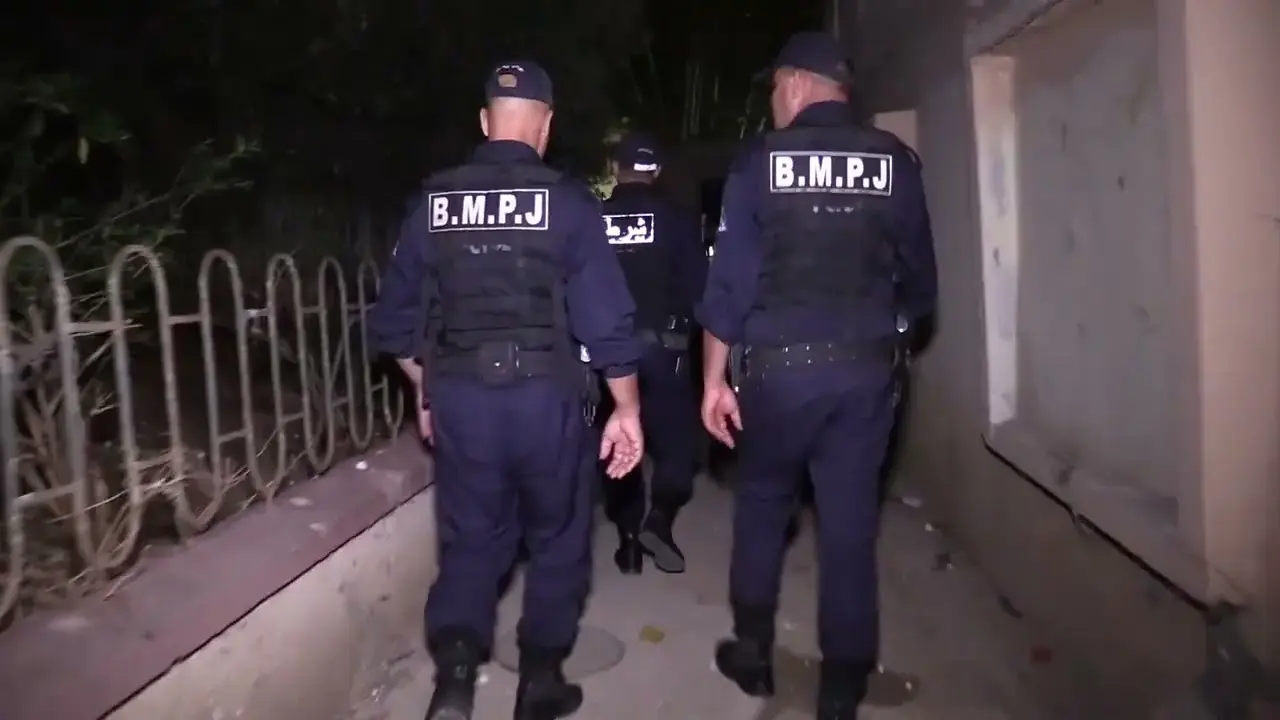
Algeria has significantly reinforced its national strategy to combat two increasingly linked phenomena: drug trafficking and urban violence. Since 2025, authorities have intensified security operations, drug seizures, and judicial measures while simultaneously developing new strategies designed to address the social and educational root causes of violence. This comprehensive state engagement demonstrates a strengthened commitment to national security and public order.
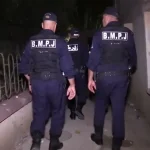
Evidence of this intensified effort is reflected in recent official reports. In 2025, security services seized over 37 tons of cannabis, 1,461 kilograms of cocaine, 2 kilograms of heroin, and notably, 43.4 million psychotropic tablets, according to the National Office for the Fight Against Drugs and Drug Addiction. This pressure continued into 2026, with a national operation in June resulting in the incineration of 16.5 tons of processed kif, one ton of hard drugs, and over 25 million psychotropic tablets, valued at more than 50 billion dinars. Concurrently, the National Gendarmerie dismantled 861 neighborhood gangs and arrested over 4,360 individuals in 2025, while National Security processed 146 related cases involving 1,168 people. More recently, in early August, several criminal networks were dismantled in Algiers, leading to 42 arrests and the recovery of 58 bladed weapons.
This reinforced approach is structured by new national strategies. A national strategy for preventing and combating drugs and psychotropic substances for the 2025-2029 period was approved in April 2025, aiming to bolster prevention, anti-trafficking efforts, and support for dependent individuals. Similarly, the Ministry of Interior established a National Commission for the Prevention and Fight Against Neighborhood Gangs in April 2026 for the 2026-2029 period, which subsequently examined a national strategy project. This strategy integrates security, prevention, social action, and education. The legal framework has also been strengthened, with Presidential Ordinance n°20-03, adopted in August 2020, defining neighborhood gangs and stipulating severe penalties, including 10 to 20 years imprisonment and fines up to two million dinars for leaders. Prime Minister Sifi Ghrieb highlighted new amendments in June 2026 aimed at increasing sanctions for hard drug trafficking and enhancing care mechanisms.
The state recognizes the crucial link between drug trafficking and neighborhood violence, with psychotropics posing a particular concern due to their impact on youth behavior. President Abdelmadjid Tebboune characterized this effort as a "fierce war" against criminal networks, with security services fully mobilized. Beyond enforcement, the official discourse emphasizes prevention and comprehensive care, including improving access to addiction treatment, psychological support, and extensive public awareness campaigns. These initiatives are planned for schools, public spaces, mosques, and social media, aiming to inform young people about the dangers of narcotics and counter content that might normalize violence or drug use. This new orientation is expected to increase security presence in urban areas, lead to more targeted operations, and ensure a firmer judicial response while prioritizing the protection of victims and witnesses.