








Pear Sector Investment Rises in Provinces
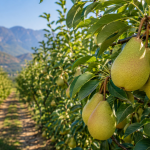
Algeria stands as the top Arab nation in pear production, with an annual output of 170,000 tons, according to data from the Food and Agriculture Organization (FAO). This leading position is being further strengthened by a growing interest from farmers and investors in expanding pear cultivation. The renewed focus stems from a relative scarcity in local supply and consistent increases in market prices for the fruit, making the activity more economically attractive.
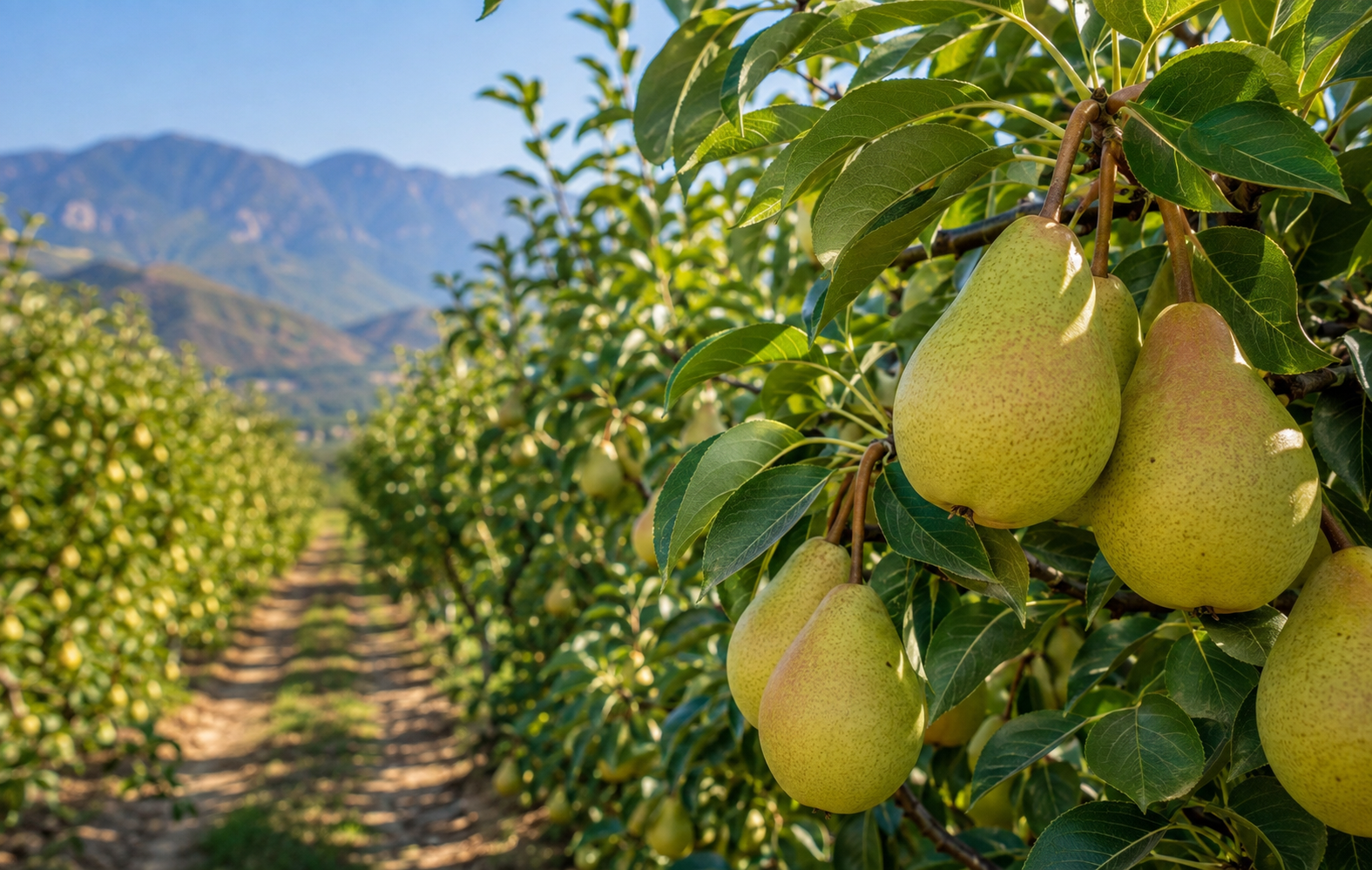
Producers are actively planning the establishment of new orchards and the expansion of cultivated areas across various provinces that possess suitable natural conditions. This investment in pear cultivation is recognized as a viable economic opportunity, promising favorable returns over the medium and long term. Success in these ventures necessitates thorough planning, including careful selection of sites, varieties, soil types, and water sources, alongside the availability of skilled labor and essential technical expertise. Modern orchard development emphasizes meticulous planning, optimal spacing between trees, utilization of advanced irrigation systems like drip irrigation, structured fertilization programs, and ongoing plant health monitoring. The selection of high-quality seedlings is also deemed critical for ensuring robust trees, disease resistance, and future productivity.
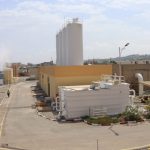
A key challenge for the pear sector involves storage and cooling infrastructure, as the fruit requires specific conditions post-harvest to maintain quality. The development of an efficient cold chain network is considered vital for preserving produce longer, enabling gradual market distribution, and fostering a better balance between supply and demand. This, in turn, can help stabilize prices and reduce spoilage. Beyond market stability, the expansion of pear cultivation offers significant economic and social advantages for rural communities by creating employment opportunities across various stages, from planting and maintenance to harvesting, sorting, packaging, transport, and marketing. Furthermore, these investments have the potential to transform underutilized rural lands into productive agricultural assets.