





First International Rock Art Festival Set for October in Djanet
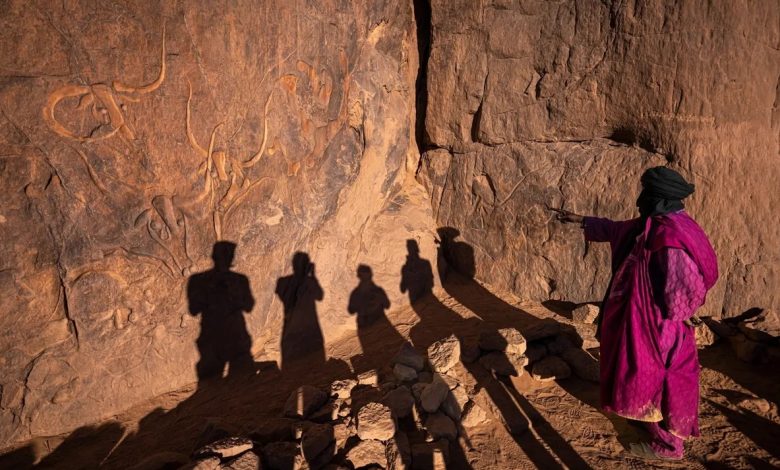
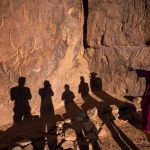
The wilaya of Djanet is set to host the inaugural International Rock Art Festival from October 19 to 24. This significant cultural, scientific, and artistic event, announced by the Ministry of Culture and Arts and placed under the patronage of Dr. Malika Bendouda, is primarily designed to highlight Algeria's invaluable national rock art heritage. It will particularly focus on the vast expanses of the Southern regions, drawing attention to the Tassili n'Ajjer plateau, which is universally recognized as one of the world's most important sanctuaries of prehistoric art.
The festival aims to consolidate initiatives dedicated to the rigorous protection, academic study, and sustainable valorization of this ancient legacy. It also seeks to showcase the high diversity of graphic expressions found across Algeria, especially within its cultural parks, thereby reinforcing the nation's role as a key reference point for international research on human evolution. The event is envisioned as a regular annual gathering, bringing together researchers, experts, specialized institutions, and field actors to present the latest research findings, compare modern site conservation and integrated management methodologies, and examine inclusive stakeholder involvement in safeguarding this millennia-old heritage through eco-responsible cultural and exploration tourism.
A rich scientific and cultural program is planned, including an international scientific symposium dedicated to the study and conservation of rock art, thematic exhibitions displaying various national prehistoric styles and periods, and a consultation forum for sectoral stakeholders. The festival will also feature Archaeological Film Days and an open-air artistic residency for students from fine arts institutes and schools in the Djanet region. This international meeting in Djanet, considered the gateway to Tassili n'Ajjer, reiterates the public authorities' ongoing commitment to preserving Algeria's national archaeological heritage, strengthening its scientific leadership in prehistoric studies, and transforming this exceptional heritage into a lasting vector for knowledge, cultural influence, and sustainable territorial development.