








African Energy Exporters Gain $21.6 Billion; Algeria Among Top Four
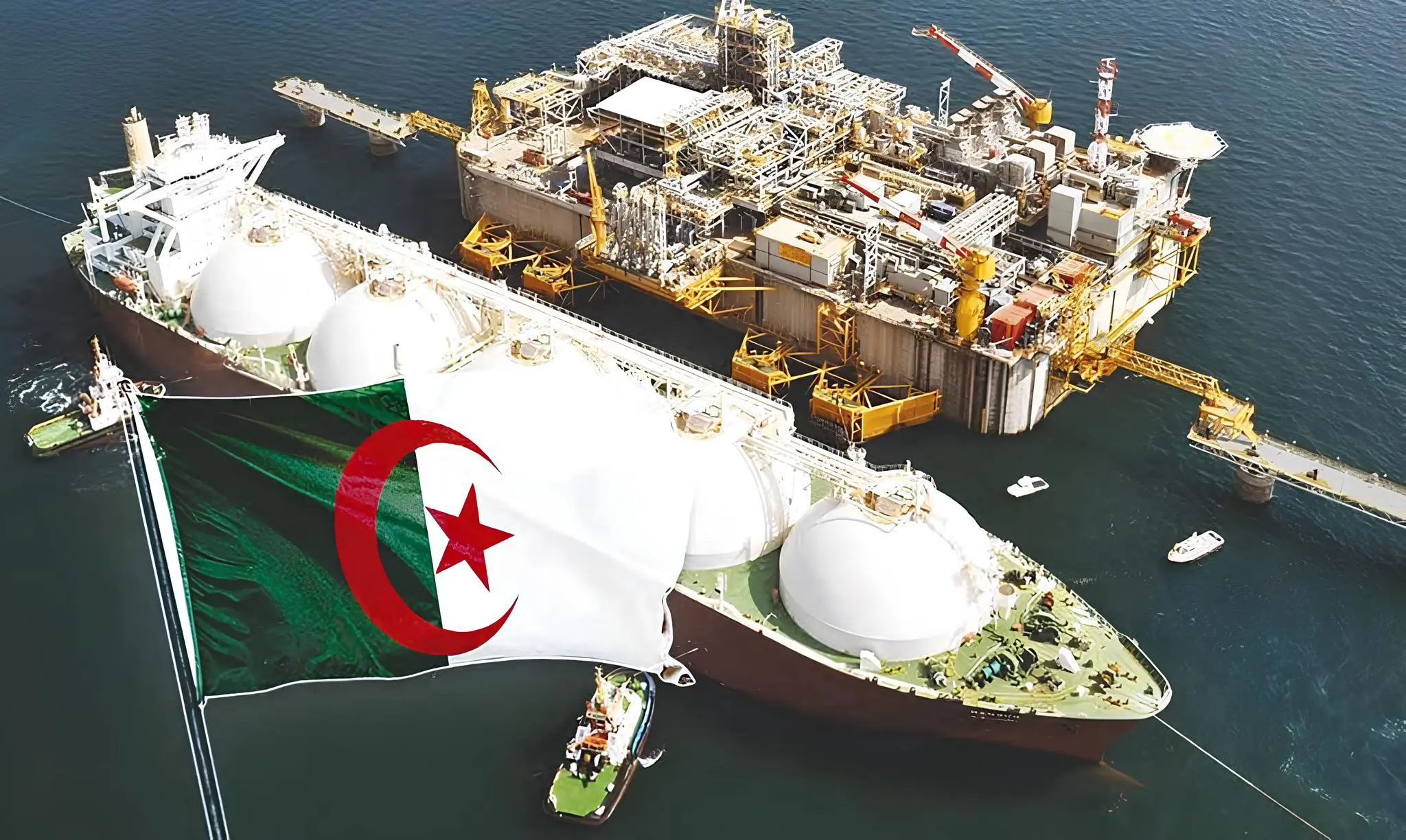
A recent study by the Centre for Research on Energy and Clean Air (CREA) indicates that Algeria is among the four principal beneficiaries of the global energy market disruption that occurred between March and August 2026. This period saw African fossil fuel exporters accrue an additional $21.6 billion in revenue, with a significant portion, $18.1 billion, concentrated among Nigeria, Angola, Libya, and Algeria. While the CREA report identifies Algeria as a main recipient of this additional income from increased energy prices, it does not detail the exact amount gained by each of the top three countries beyond Nigeria's $7.5 billion.
The energy market upheaval, characterized by the CREA as the most significant sustained oil shock since the 1990 Gulf War, led to substantial price increases across various energy segments vital to Algeria's export portfolio. Global importers paid an additional $330 billion for seaborne crude oil, refined products, and liquefied natural gas (LNG) during this timeframe compared to prior forecasts. Brent crude prices averaged $93 per barrel, a 35% premium over the anticipated $69. Similarly, Atlantic basin LNG prices surged by nearly 60% to an average of $16.99 per MMBtu, up from $10.65, with diesel also experiencing a 59% increase.
Algeria's energy sector demonstrated notable performance during this period, enhancing its capacity to capitalize on the elevated prices. National natural gas production grew by 4.2% in the first half of 2026, reaching 54.01 billion cubic meters, alongside a 2.4% rise in combined gas pipeline and LNG exports to 23.97 billion cubic meters. Furthermore, Algeria's targeted production level within OPEC+ increased from August 2026 by approximately 6,000 barrels per day, reaching 1.001 million barrels per day. The country's robust existing infrastructure for hydrocarbon production, liquefaction, refining, and transport, coupled with its ability to directly supply the European market via gas pipelines, reinforces its strategic position and capacity in the global energy landscape.