










University Registration for 2026 Baccalaureate Graduates to Begin on July 15
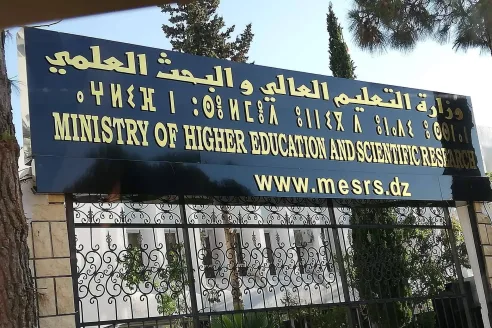
Minister of Higher Education and Scientific Research Kamel Baddari announced on Tuesday that the registration and orientation process for students who obtained the 2026 baccalaureate will officially begin on July 15.
Speaking during a press conference held at the ministry’s headquarters, Baddari presented several new measures planned for the next academic year. He explained that the higher education sector is preparing to introduce new teaching programs and additional subjects aimed at strengthening students’ skills and sense of responsibility.
Among the new subjects to be included are flexible start-ups, as well as the broader introduction of Algerian history, national identity and citizenship. According to the minister, these additions are intended to support students not only academically, but also in terms of innovation, civic awareness and attachment to national values.
Baddari also revealed that higher schools are ready to receive 35,000 new students who passed the baccalaureate examination. This capacity comes in response to the request of the Ministry of National Education and reflects the effort to provide more opportunities for successful candidates across different fields of study.
The minister also referred to a new commitment concerning students oriented toward the higher schools of the Sidi Abdellah Technology Hub. Before completing their final registration, these students will be required to sign an undertaking stating that, in the event they are recruited after graduation, they must serve for five years in public administrations, public institutions or national economic enterprises.
This measure aims to link advanced training with the needs of the national economy and public sector. It also seeks to ensure that highly trained graduates contribute directly to the country’s development after completing their studies.
Through these decisions, the Ministry of Higher Education hopes to organize the 2026 university entry in a more efficient way, while adapting academic training to Algeria’s economic, technological and social priorities.