












Economic Forecasts Position Algeria as Africa’s Second Largest by 2043
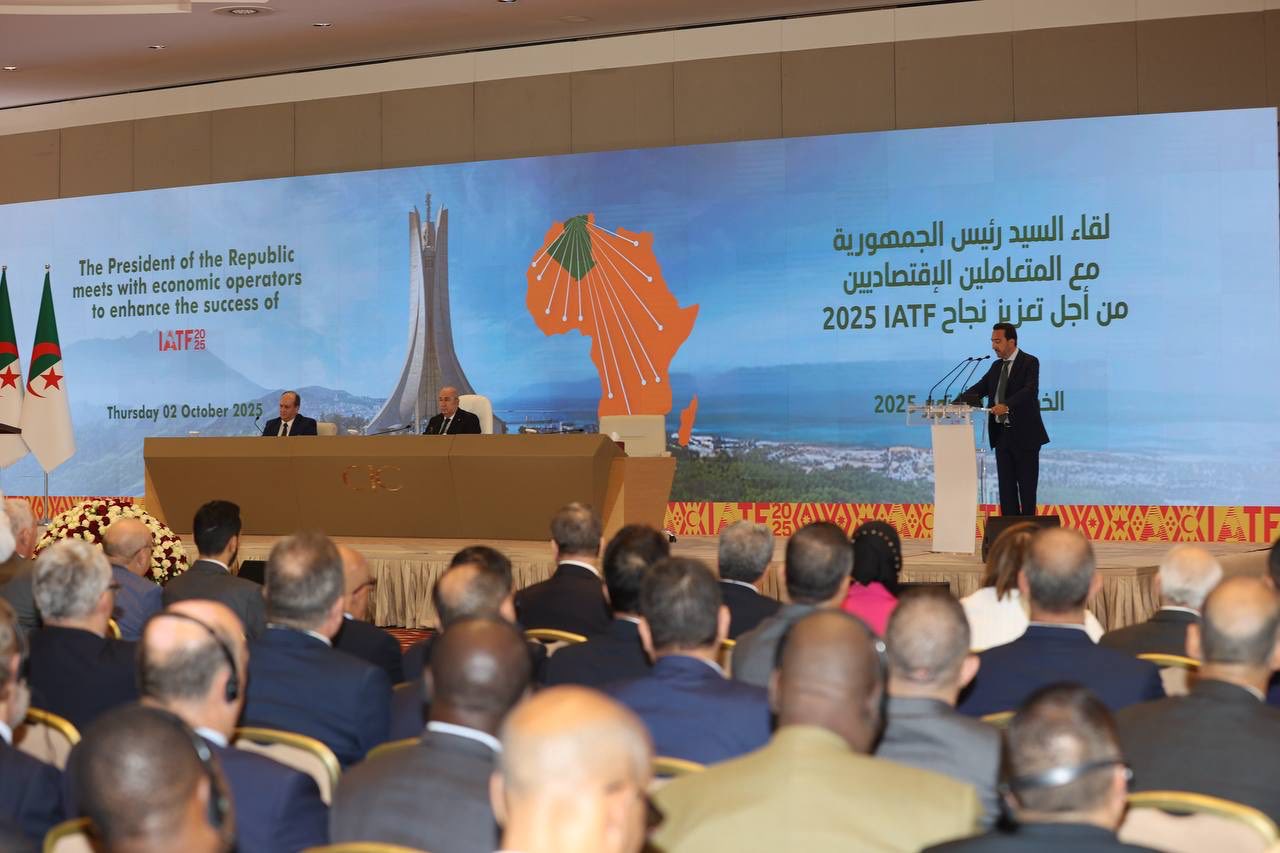
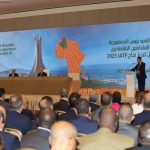
Studies from the African Futures and Innovation (AFI) program, part of the Institute for Security Studies (ISS), forecast a notable economic and demographic transformation for Algeria in the coming decades. These projections indicate that by 2043, Algeria is positioned to become the largest economy in North Africa and potentially the second or third largest economy across the entire African continent, alongside nations like Egypt and Nigeria.
According to data from the "Africa to 2043" foresight platform, Algeria's Gross Domestic Product (GDP) is expected to double by 2043, based on Purchasing Power Parity (PPP) valuation. This anticipated growth is primarily driven by significant investments in infrastructure and the sustained development of its non-hydrocarbon sectors. The study highlights sectors such0 as agriculture, industry, and technology as key areas capable of supporting economic expansion and fostering sustainable growth rates, complementing ongoing infrastructure projects.
The successful realization of these positive economic scenarios is closely linked to Algeria's ongoing efforts to diversify its income sources and advance its non-oil sectors. Demographically, Algeria is recognized for its advanced stage of demographic transition, characterized by lower fertility rates compared to several sub-Saharan African countries. The nation is currently experiencing a "demographic dividend" phase, projected to continue over the next two decades, with the 15 to 64 age group representing the largest segment of the population. This demographic structure presents an additional impetus for growth and productivity, provided this segment is effectively integrated into the labor market and supported by appropriate economic conditions. Furthermore, Algeria demonstrates strong performance in human development indicators, recording some of the lowest extreme poverty rates in Africa, an achievement expected to persist through 2043. To solidify its economic position within Africa by 2043, the studies emphasize the importance of accelerating economic diversification beyond hydrocarbons, enhancing the investment climate, stimulating the private sector and digital innovation, and making sustainable investments in water resource management to address drought challenges.