








Tebboune’s UAE Policy Criticisms Corroborated by FT
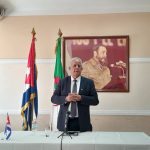
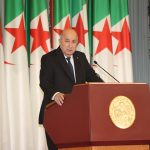
An investigation by the Financial Times, published on August 4, has provided corroboration for Algeria's long-standing concerns regarding the United Arab Emirates' activities in Africa. President Abdelmadjid Tebboune had previously identified the UAE as a destabilizing force on the continent, accusing it of financial involvement in conflict zones such as Mali, Libya, and Sudan. This international report underscores the link between economic strategy and conflict in the UAE's expansionist approach.
The British daily's findings describe a significant and growing Emirati influence in Africa, characterising it as "imperialist expansion." While the UAE has presented itself as a major investor, announcing over $250 billion in various sectors across Africa since 2003, the investigation suggests a less benign underlying reality. Investments span ports and logistics in a dozen countries, including Berbera in Somaliland, as well as agriculture, mining, and energy sectors.
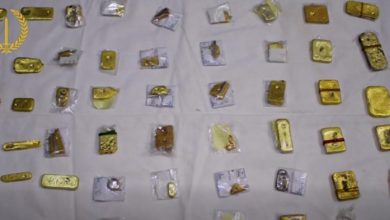
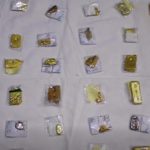
The Financial Times analysis specifically highlights the situation in Sudan, where the UAE reportedly contributed to strengthening the Rapid Support Forces (RSF) with arms and logistics. The investigation also implicated the UAE in what it termed "one of the biggest gold thefts in history" at the onset of the Sudanese conflict, involving 1.5 tonnes of gold bars from the Central Bank transported to the Emirates. Furthermore, the report notes that an estimated 40 tonnes of artisanal gold are clandestinely channeled from Sudan to the UAE annually, with a significant portion originating from RSF-controlled mines. These revelations align with and, at least in part, confirm the Algerian accusations of the UAE's role in exacerbating conflicts.