



National Aquaculture Production Targets 30,000 Tons by 2030 After 422% Growth
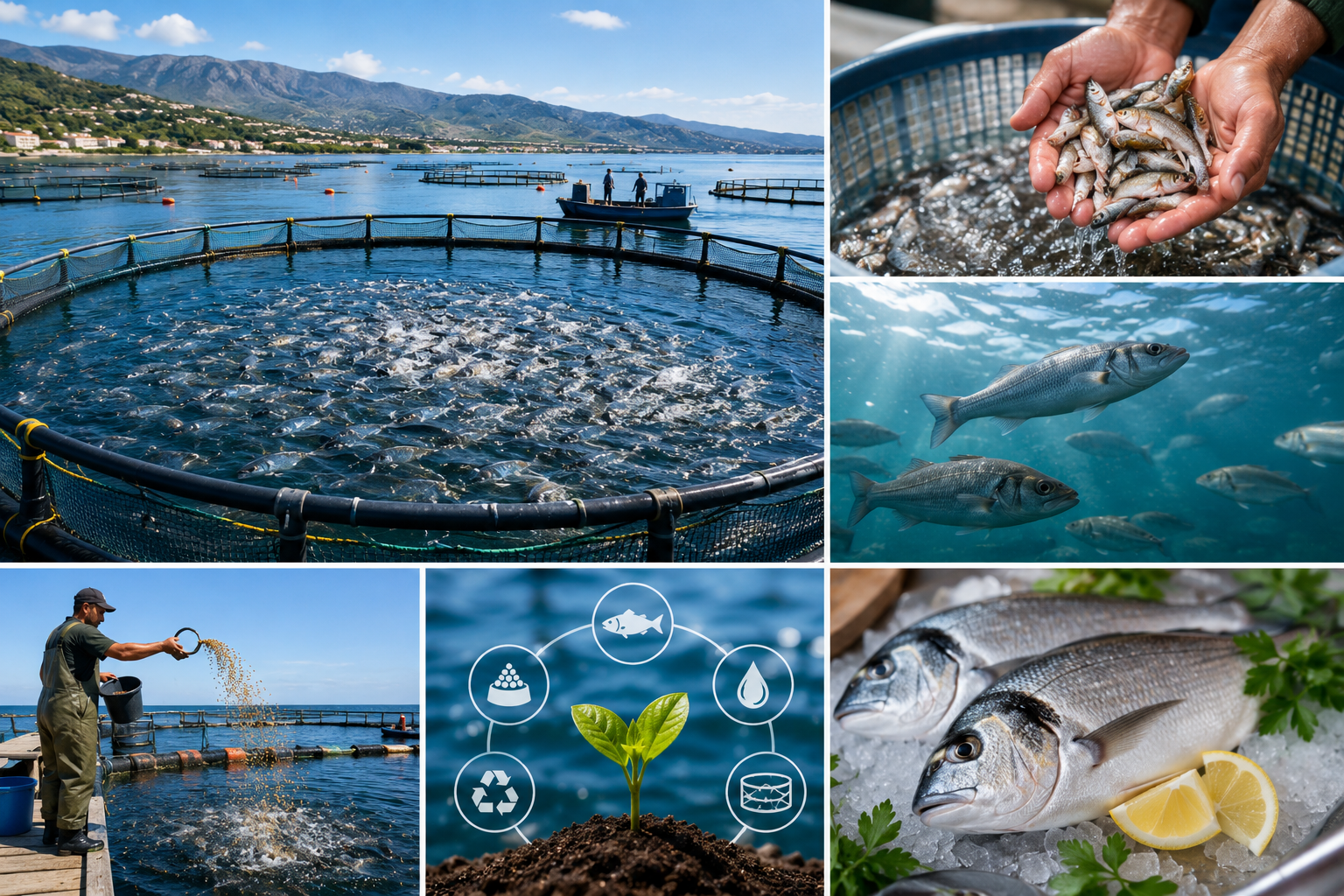
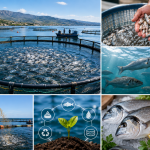
Algeria's aquaculture sector has demonstrated substantial growth, with national production surging by approximately 422% between 2015 and 2024. Production figures rose from about 1,300 tons in 2015 to nearly 7,000 tons in 2024, a development highlighted in a report monitoring the United Nations Sustainable Development Goals. This notable expansion reflects a strategic shift, positioning aquaculture as a crucial component of Algeria's food production system, aimed at providing additional animal protein sources, fostering investment and employment opportunities, and alleviating pressure on marine resources.
This sector's expansion is attributed to a comprehensive national strategy focused on developing aquaculture. Key initiatives include the training of skilled personnel, modernization of port infrastructure, and increased investment in the activity. Furthermore, diversifying cultivated species, notably freshwater fish and crustaceans, alongside the establishment of local hatcheries and advanced fry provision systems, has overcome technical challenges that previously limited the growth of fish farms. The sector is progressively building an an integrated production chain encompassing fry supply, feed production, breeding, processing, packaging, transport, and marketing.
The growth in aquaculture is particularly significant given the stable annual marine fishing production, which stands at approximately 105,000 tons. Aquaculture serves a complementary role by ensuring a consistent supply of fish year-round without further straining natural marine resources, thereby enhancing market stability and broadening available animal protein sources while preserving marine ecosystems. This expansion has also spurred related economic activities, such as fish feed production and manufacturing of equipment. Algeria aims to further increase aquaculture production to 30,000 tons by 2030, supported by a broader agricultural policy that saw 966 billion dinars allocated to the agricultural sector in 2023 to reinforce local production and food security.
Achieving the ambitious 2030 target involves expanding production capacities, developing infrastructure, refining breeding techniques, and training specialized labor, alongside ensuring product quality and efficient marketing channels. The country's commitment to sustainable development is evident in its integrated coastal zone management approach, overseen by the National Coastal Conservancy, especially given Algeria's extensive 1,600-kilometer Mediterranean coastline. Currently, protected marine areas cover 15.15% of Algeria's coastal waters, with a national goal to raise this proportion to 20% by the end of the decade, aligning economic growth with environmental preservation.