







Italian Firms Set for Algerian Agricultural Technology Market
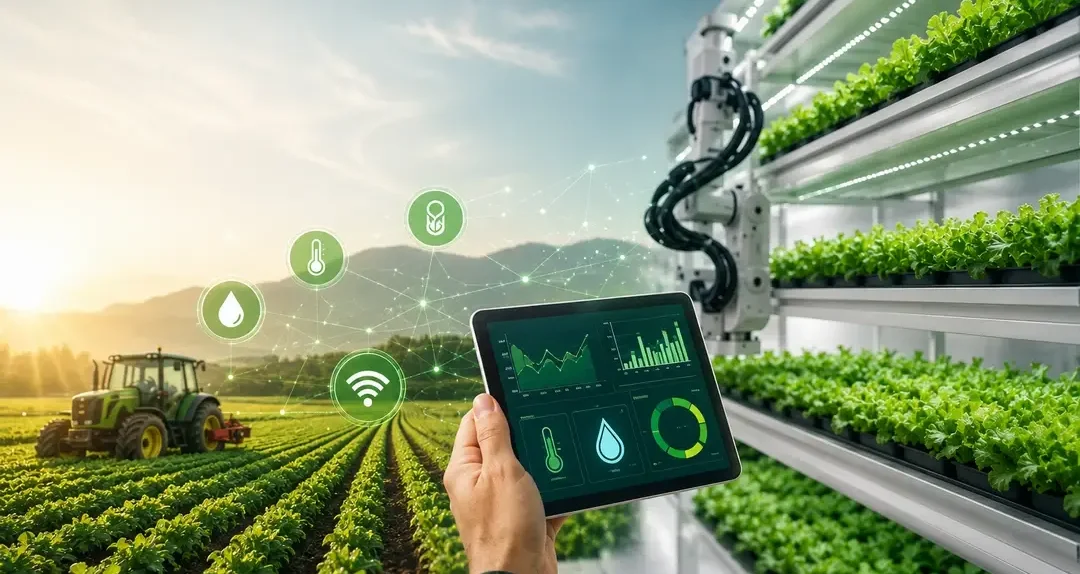
Fifteen Italian companies specializing in agricultural machinery and technology are preparing to enter the Algerian market on September 28-29, 2026. This economic mission, organized by the Italian Trade Agency (ICE) in collaboration with FederUnacoma, aims to advance mechanization, digitalization, smart irrigation, and storage within Algeria's agricultural sector. The initiative aligns with Algeria's strategic focus on increasing production efficiency, expanding strategic crops, and accelerating the modernization of its farming practices, particularly in the southern regions. The move follows a period of significant growth in Italian agricultural machinery exports to Algeria, which reached approximately 35 million euros in 2024, marking a nearly 35% increase in one year and establishing Algeria as the second-largest market for Italian agricultural machinery.
Algeria is actively working to digitize its agricultural sector and establish a modern agricultural information system, complementing its expansion of strategic crops in the South, where vast lands are being transformed into productive projects utilizing modern irrigation techniques and high-yield equipment. This collaboration with Italy is envisioned to extend beyond the sale of equipment and machinery, moving towards a broader partnership encompassing technology transfer, services, training, and local production. Dr. Sghiri Abdelmadjid, a member of the Executive Bureau of the Union of Agricultural Engineers, highlighted that the true objective is not merely the quantity of machines entering Algeria, but the volume of technology, knowledge, and expertise that can be localized within the country. This shift aims to transform the relationship from a supplier-buyer dynamic into a long-term industrial and technological partnership, especially given existing large-scale Italian-Algerian agricultural projects in the South, such as the 36,000-hectare venture in Adrar and Timimoun.
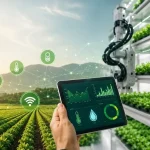
The scope of modern mechanization, as outlined by the Italian program, integrates digitalization, smart irrigation, storage, and even livestock equipment, indicating a comprehensive approach beyond traditional tractors and harvesters. Smart irrigation, in particular, is deemed crucial for the future of agricultural expansion in the Algerian South, with data-driven methods enabling precise water management to meet plant needs. Experts suggest a five-stage industrial path for this cooperation, moving from initial importation to local assembly, manufacturing of specific components, joint research and development, and ultimately, export-oriented production. This strategic vision could position Algeria, due to its geographical location and size, as a hub for producing or assembling agricultural equipment and directing solutions to other African markets in need of mechanization and precision farming technologies. The establishment of an Algerian-Italian model farm for smart mechanization in the South has also been proposed, with success measured by tangible metrics such as hectare productivity, water and fuel consumption, and production costs.