







German Delegation Arrives for Green Hydrogen Project Exploration
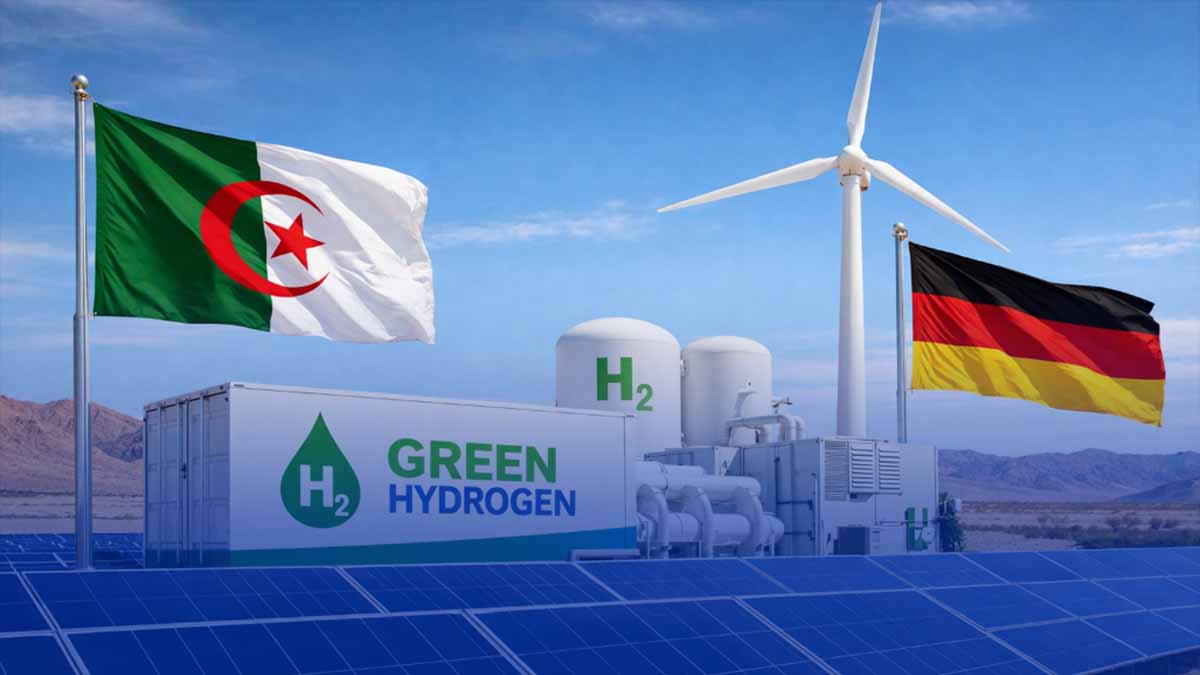
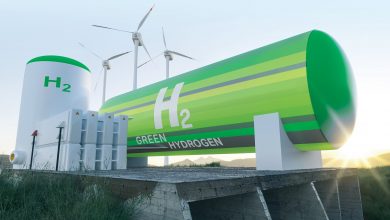
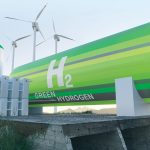
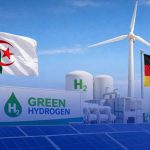
A German economic delegation specializing in green hydrogen is scheduled to visit Algeria from September 21 to 25, 2026. This visit, organized by the Algerian-German Chamber of Commerce and Industry (AHK) as part of the German Energy Export Initiative, signals a transition in Algerian-German energy cooperation from political dialogue to a direct pursuit of projects, partnerships, and investments. The German interest spans the entire hydrogen value chain, extending beyond purchasing green hydrogen to include technology, equipment, engineering, and infrastructure necessary for building an integrated industry.
The delegation aims to engage with Algerian institutions and companies on existing and prospective projects across various specialized fields. These areas include electrolyzers, water treatment and desalination, hydrogen storage and compression technologies, industrial equipment, and engineering solutions. Discussions will also encompass pipeline retrofitting for hydrogen transport, materials, certification, feasibility studies, and project engineering. This comprehensive approach highlights a partnership built around a complete industrial and technical system, leveraging Algeria's vast solar resources and large areas for renewable energy projects alongside Germany's advanced industrial and technological base in energy equipment and hydrogen technologies.
This German visit is strategically timed with the progression of the SoutH₂ corridor project, a significant European infrastructure initiative designed to import renewable hydrogen from North Africa. The proposed 3300-kilometer corridor is set to link North Africa with Italy, Austria, and Germany, with over 65% of its infrastructure planned to reuse existing pipelines. Aiming for an import capacity exceeding 4 million tons of hydrogen annually and projected to be operational in the early 2030s, the corridor underscores Algeria's expanded role beyond traditional oil and gas. In January 2025, Algeria, Tunisia, Italy, Austria, and Germany signed a joint political declaration to advance the corridor's development, formally integrating Algeria into this five-nation strategic cooperation.
Algeria's national strategy targets 2.5 gigawatts of electrolysis capacity by 2030 and 7 gigawatts by 2040, alongside a goal of developing 15 gigawatts of photovoltaic solar energy by 2035. The inclusion of water desalination within the German delegation's program is notable, aligning with Algeria's extensive seawater desalination initiatives, which could be integrated with new industrial projects in coastal areas. Existing collaborations, such as the November 2025 meeting in Berlin involving Sonatrach, Sonelgaz, Germany's VNG, Italy's Snam, and Austria's Verbund to discuss hydrogen production and export, provide a solid foundation. The success of this cooperation could broaden the bilateral economic partnership across multiple industrial sectors, positioning Algeria as a pivotal North African gateway for green hydrogen destined for European industrial centers.