








German Guide Highlights Algeria’s Role in Europe’s Green Hydrogen Supply
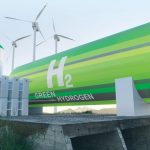
A recent strategic guide published by the German Cooperation Agency (GIZ), commissioned by the German Ministry of Economy and Climate Action, highlights Algeria's substantial potential to become a pivotal supplier of green hydrogen to Europe, specifically Germany. Released in August 2026, the comprehensive document assesses Algeria's capabilities in the green hydrogen sector, concluding that the nation possesses the necessary resources to serve as a central hub for decarbonized energy supply to Europe over the next two decades. This institutional recognition from Europe's leading economy underscores Algeria's emerging role in the global energy landscape as it undergoes a profound reconfiguration driven by decarbonization efforts.
The GIZ guide outlines Algeria's long-term potential for green hydrogen production, estimated at a substantial 18 million tons annually. This exceptional volume is attributed to the country's abundant solar irradiation, among the highest globally, coupled with significant wind energy deposits, particularly across its vast southern regions. These natural endowments enable the prospect of massive, stable, and uninterrupted renewable electricity generation, a critical prerequisite for large-scale electrolyzer operation. Furthermore, the German guide validates Algeria's strategy to address water consumption challenges by linking future hydrogen production facilities with mega-seawater desalination plants along its coast, thereby conserving the nation's freshwater reserves for its population and agriculture. Beyond natural resources, the report emphasizes Algeria's outstanding cost competitiveness, projecting green hydrogen production costs between $2.5 and $3 per kilogram, which positions it favorably against competitors in the Mediterranean and Middle East.
This financial attractiveness is further bolstered by Algeria's mature existing transport infrastructure, notably Sonatrach's network already connected to Europe, and its immediate geographical proximity to the European market, which significantly reduces logistical costs. The German report also acknowledges significant structural transformations undertaken by Algiers to attract international capital, including the elimination of the historical 49/51 rule for foreign direct investments in the green hydrogen sector. This reform now permits German and other international firms to hold up to 100% equity in their Algerian production projects and subsidiaries. Looking ahead, the “SoutH2 Corridor” project, a mega-infrastructure initiative, is set to connect Algeria to Germany via Tunisia, Italy, and Austria over 3,300 kilometers, utilizing existing gas pipelines to continuously transport gaseous hydrogen to industrial centers in Europe, such as Bavaria and Rhineland. The ambitious strategic objective shared by both partners aims for Algeria to fulfill nearly 10% of the European Union's total renewable hydrogen demand by 2040.