
















Global Scientists Study 1.27-Billion-Year-Old Algerian Meteorite
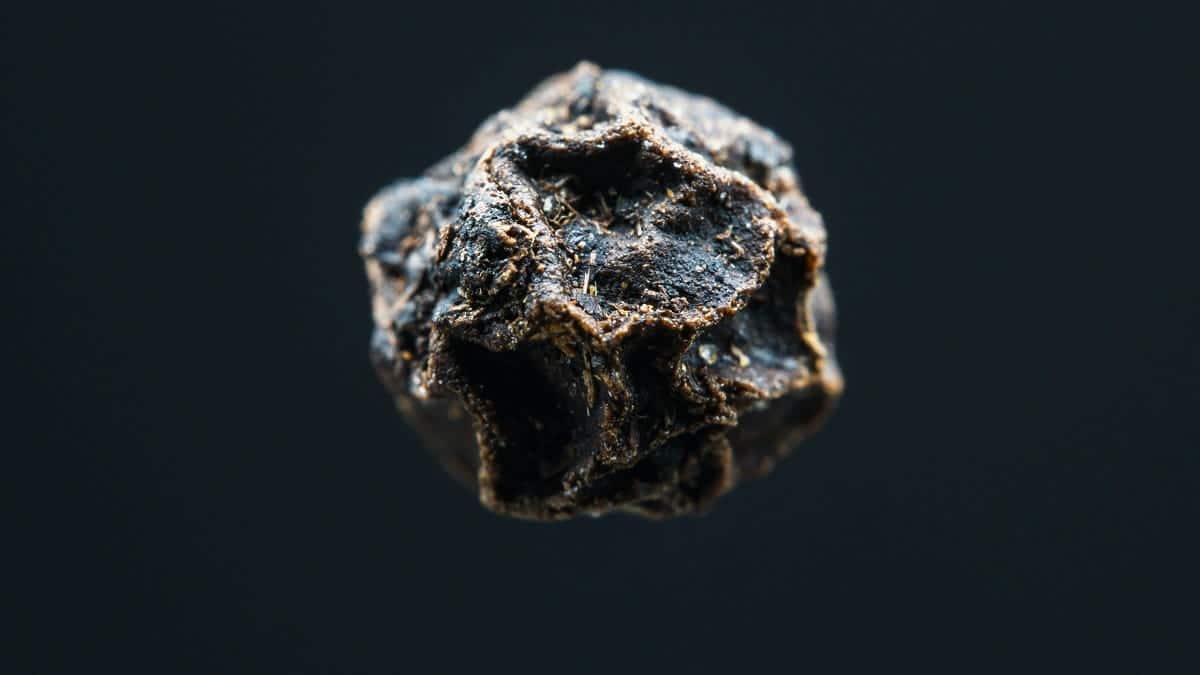
A Martian meteorite, designated Northwest Africa (NWA) 13441, discovered in Algeria in 2019 and recently confirmed to be 1.27 billion years old, has captured international scientific attention. This ancient space rock is poised to provide unprecedented insights into a previously obscure period of Mars' geological record, potentially filling a significant gap in planetary understanding.
Scientists assert that the NWA 13441 meteorite addresses critical questions regarding a substantial void in Martian geological archives, specifically a period spanning from 600 million to 2.4 billion years ago. During this extensive timeframe, no examples of igneous shergottites, which are the most abundant type of Martian meteorites, had been found. Professor Ethan Baxter of Boston College noted the surprising characteristics of this meteorite, stating, "No other Martian meteorite of this type is 1.27 billion years old."
The meteorite's composition presented two unexpected features to researchers: its classification as a shergottite despite containing isotopes of the rare-earth metal neodymium. Further examination revealed its composition establishes new parameters concerning the processes that occurred in the early solar system during the formation of Mars. Initial studies suggest that this discovery may originate from a previously unsampled reservoir on the Red Planet, positioned between enriched and depleted shergottite sources.