













Apricot Production Surpasses 200,000 Tonnes, Securing World’s Fifth Rank
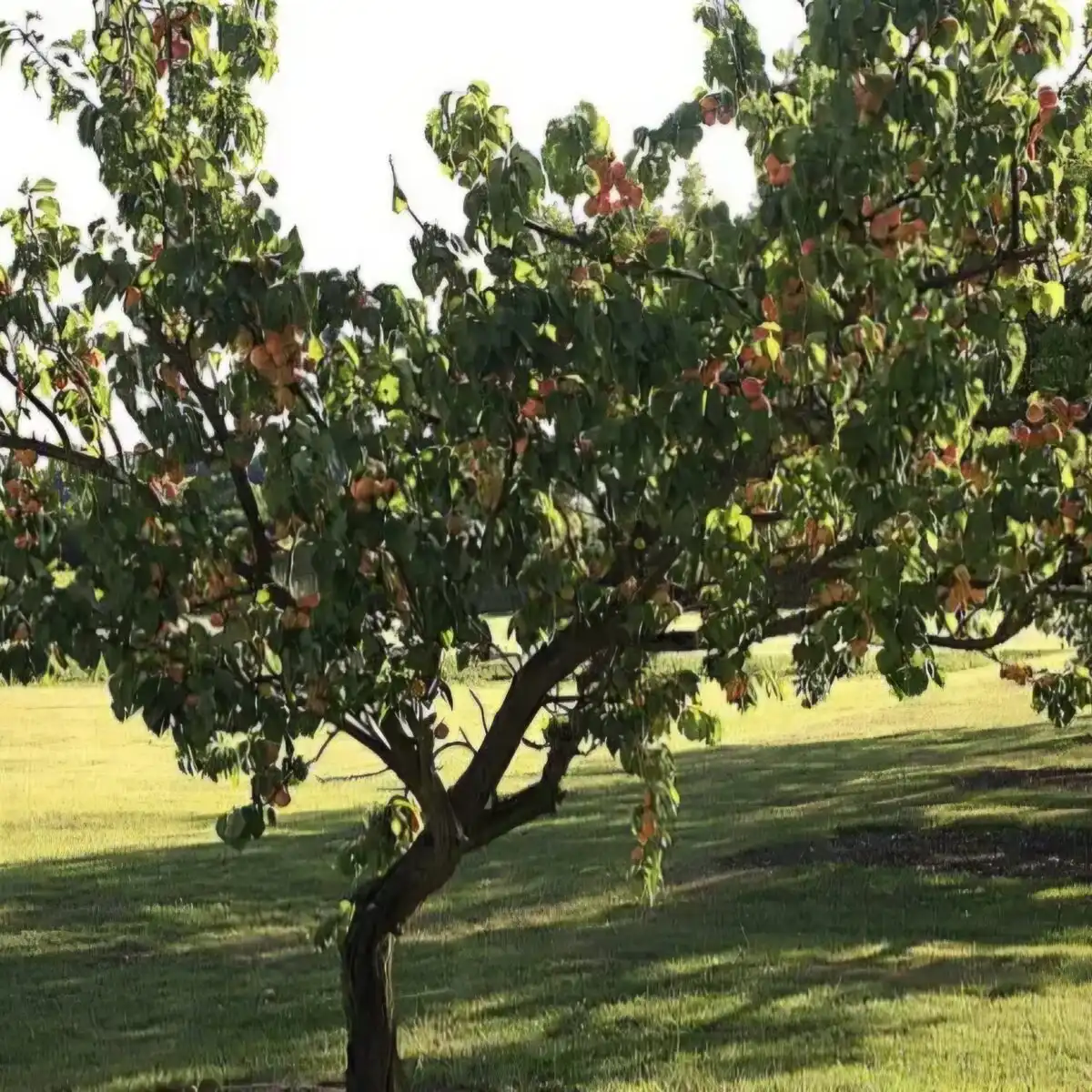
Algeria has achieved a record apricot production, totaling 203,916 tonnes, establishing its position as the fifth-largest producer globally. This significant agricultural output also confirms Algeria as the undisputed leader in apricot production across Africa and the Arab world, according to recent rankings from World Population Review. This performance places the nation among a select group of countries that exceed the 200,000-tonne annual production mark, surpassing traditional fruit-producing countries such as France, Greece, Spain, and Pakistan.
The global apricot market sees Algeria positioned just behind Italy, with Turkey, Uzbekistan, and Iran leading the overall production. Algeria's robust production is supported by approximately 29,000 hectares of cultivated land, yielding an average of 6,924 kilograms per hectare. Key apricot-growing regions, including Batna (N'Gaous), M'Sila (Le Hodna), Khenchela, Biskra, and Tiaret, highlight the strategic importance of stone fruits for national food security and the rural economy.
Building on this success, Algeria's agricultural sector is poised to further enhance the value of its apricot yield. Continued development efforts will focus on modernizing the logistics chain, accelerating technical innovation, and implementing advanced practices such as complementary irrigation. These initiatives, along with introducing more resilient crop varieties and optimizing distribution networks, aim to solidify Algeria's standing as a major global apricot producer and expand its export capabilities.