









Non-Hydrocarbon Exports Hit $5.1 Billion for Algeria in 2023
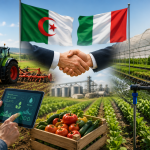
Algerian non-hydrocarbon exports demonstrated remarkable growth, achieving $5.1 billion in 2023. This figure represents more than a tripling of their level in 2017, clearly reflecting the expanding capability of Algerian enterprises to penetrate external markets and marking a new phase in the country's export journey. This significant achievement underscores Algeria's economic diversification efforts beyond hydrocarbons.
The observed growth opens avenues for Algeria to transition into a new stage, focusing on deepening the added value of Algerian products before they reach international markets. The presence of competitive Algerian products in global markets establishes a crucial foundation. The aim extends beyond merely increasing export volumes to elevating the economic value of these exports, with each advancement in manufacturing, specialization, and quality contributing to greater added value and fostering long-term market relationships.
Developing robust export capabilities necessitates addressing various factors, including the strategic choice of markets. The European Union serves as a significant test for the competitiveness of Algerian businesses, demanding adherence to quality, traceability, and environmental standards. Concurrently, African markets offer a more accessible environment for small and medium-sized enterprises to build a gradual presence, leveraging geographical proximity and growing demand across several sectors. Enhancing logistics services is also crucial to reduce time and cost across the entire export chain, complementing Algeria's geographical advantages.
Algeria has successfully demonstrated the viability of non-hydrocarbon exports, moving beyond the initial phase of proving their possibility. The current challenge involves transforming individual successes into a comprehensive export ecosystem. This requires a shift from supporting individual products to building the overall export capacity of enterprises, facilitating export cycle financing, and developing market information and insurance services. The ultimate objective is to establish a sustainable export base where foreign markets become a permanent component of business models, leading to diversified products, destinations, and higher added value over time.