







African Union Council Hears Algeria’s Integrated Peace Plan
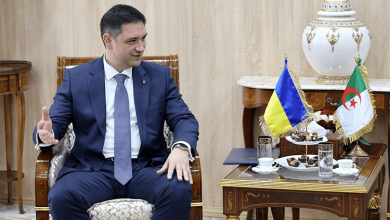
Algeria, through its active presence in the African Union Peace and Security Council, is championing an integrated approach to conflict prevention, resolution, and the establishment of sustainable peace across the African continent. This comprehensive vision is firmly rooted in the principles of human rights, justice, and the rule of law, seeking to engage diverse national and continental actors in tackling the foundational causes of crises. The approach is driven by the conviction that a secure and stable Africa necessitates addressing the underlying conditions that foster tensions before they escalate into open conflicts, recognizing the complex interplay of political, economic, social, and security factors. Ambassador Mohamed Khaled, Algeria's Permanent Representative to the AUPSC and its current president for August, underscored the essential role of human rights and fundamental freedoms as cornerstones for enduring peace and stability in Africa during a recent meeting in Addis Ababa focused on "Joint efforts to implement human rights as a driver for peace."
The Algerian approach places the individual at the core of conflict prevention and resolution systems, forging a crucial link between peace, justice, development, robust institutions, and inclusive dialogue. This perspective is informed by extensive African experiences, which have demonstrated that political and security agreements often falter if the deep-seated causes of crises are not adequately addressed and the conditions for reconciliation and development are not met. Such challenges are particularly evident in the Sahel region, where recurring situations reveal that persistent economic and social grievances can transform local demands into broader political issues, eventually escalating into armed confrontations. Consequently, Algeria views addressing these root causes as an indispensable step to prevent the resurgence of conflicts and to solidify stability. The strategy advocates for robust institutional coordination, continuous information exchange, and the timely detection of tension indicators to enable proactive intervention, shifting focus from merely managing crises post-onset to building effective early warning mechanisms.
Civil society organizations are recognized as playing a pivotal role within Algeria's vision, particularly in areas such as early warning, conflict prevention, mediation, and peacebuilding initiatives. The Algerian representative emphasized that non-governmental organizations are often closer to local communities and are better positioned to identify social shifts and emerging tension indicators that may not surface in official reports during initial stages. This grants civil society a significant capacity to contribute to the early detection of conflict sources, articulate the concerns of local populations, and actively participate in mediation and reconciliation efforts, provided they maintain their independence, credibility, and operational transparency. Furthermore, the Algerian approach stresses the critical importance of robust follow-up mechanisms to ensure that resolutions and recommendations from AU deliberative bodies are not just political commitments but are translated into concrete actions on the ground. This involves proposing clear implementation frameworks and advocating for regular, biennial meetings between the AUPSC and all relevant AU committees and bodies involved in human rights, governance, and democracy, fostering enhanced coordination and unified efforts for tangible results.