







UN Security Council Urged to Criminalize Starvation as War Weapon
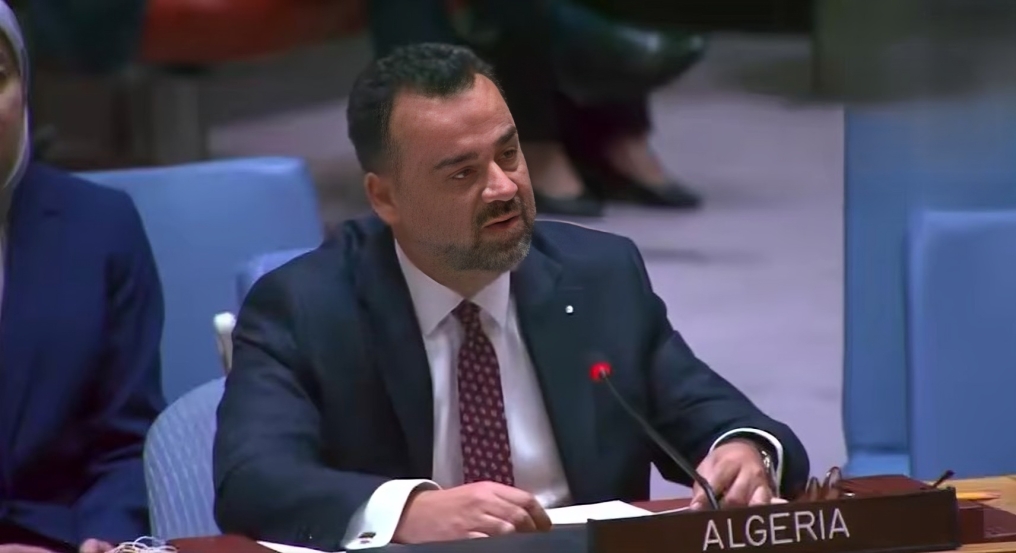
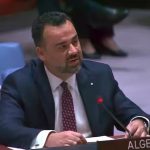
Algeria has called upon the United Nations Security Council to implement urgent measures aimed at criminalizing the use of starvation as a weapon in conflicts. During an open session concerning food insecurity exacerbated by disputes, Algeria emphasized the critical need for global action to safeguard civilians, protect vital infrastructure, and ensure unhindered access for humanitarian assistance. The nation's Deputy Permanent Representative to the UN, Ambassador Mehdi Litim, highlighted that accountability is essential for all parties that exploit hunger as a tactic in warfare.
Ambassador Litim noted the significant global deterioration of acute food insecurity despite the adoption of UN Security Council Resolution 2417 in 2018, which already prohibited the use of starvation as a method of war. He cited the 2026 Global Report on Food Crises, which documented an unprecedented humanitarian crisis level, indicating a doubling in the last decade of people facing high levels of acute food insecurity. Armed conflict remains the primary driver of this crisis, contributing to mass displacement, destruction of agricultural activities, and obstruction of aid. The report, for the first time, recorded two simultaneous famines in a single year during 2025, specifically impacting populations in Gaza and Sudan.
In response to these dire situations, Algeria reiterated its demand for an immediate ceasefire in Gaza and guaranteed full, unrestricted humanitarian aid. The nation also stressed the necessity of halting hostilities in Sudan and maintaining open humanitarian corridors to ensure rapid and unhindered assistance reaches affected populations. Ambassador Litim further underscored that starving civilians is never justifiable as a method of warfare, emphasizing the responsibility of conflict parties to protect populations and vital facilities essential for their survival, including food production and water networks.
Algeria further underscored the vital importance of ensuring unhindered access for humanitarian aid and highlighted its active engagement through co-chairing the working group dedicated to protecting civilian infrastructure, part of a global initiative to bolster commitment to international humanitarian law. Algeria also renewed its pledge to protect humanitarian workers by signing a relevant declaration in September 2025. To break the destructive link between conflicts and hunger, Algeria urged the Security Council to adopt practical steps, including developing effective early warning mechanisms for monitoring attacks on food and water facilities, mobilizing resources to rehabilitate damaged vital infrastructure, and establishing a dedicated sanctions regime against parties violating Resolution 2417 by employing starvation as a weapon.