










Five Million Tons: Algeria’s Cereal Harvest Highest Since 2019
International reports from the US Department of Agriculture (USDA) and the Food and Agriculture Organization (FAO), alongside European Commission data, indicate a significant shift in Algeria's cereal balance for the 2026/2027 season. Algeria's cereal production is projected to reach approximately 5 million tons, the highest volume recorded since 2019. This exceptional harvest represents an increase of 30% above the general average and an additional 800,000 tons compared to the 2025 yield of 4.2 million tons, contributing to a substantial reduction in regional wheat import reliance.
The FAO estimates Algeria's import needs for various cereals in 2026/2027 at about 14.5 million tons, including 8.5 million tons of wheat. This figure is lower than previous years, directly attributed to the improved national yields. Notably, Algerian authorities have declared an objective to achieve self-sufficiency in durum wheat during the current agricultural season, a move expected to save over $1.5 billion in import expenditures. While soft wheat imports will continue to fulfill industrial processing demands and maintain strategic reserves, the focus on durum wheat underscores a strategic drive towards greater food independence.
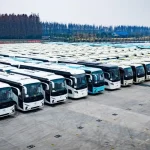
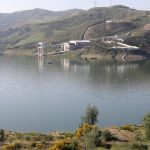
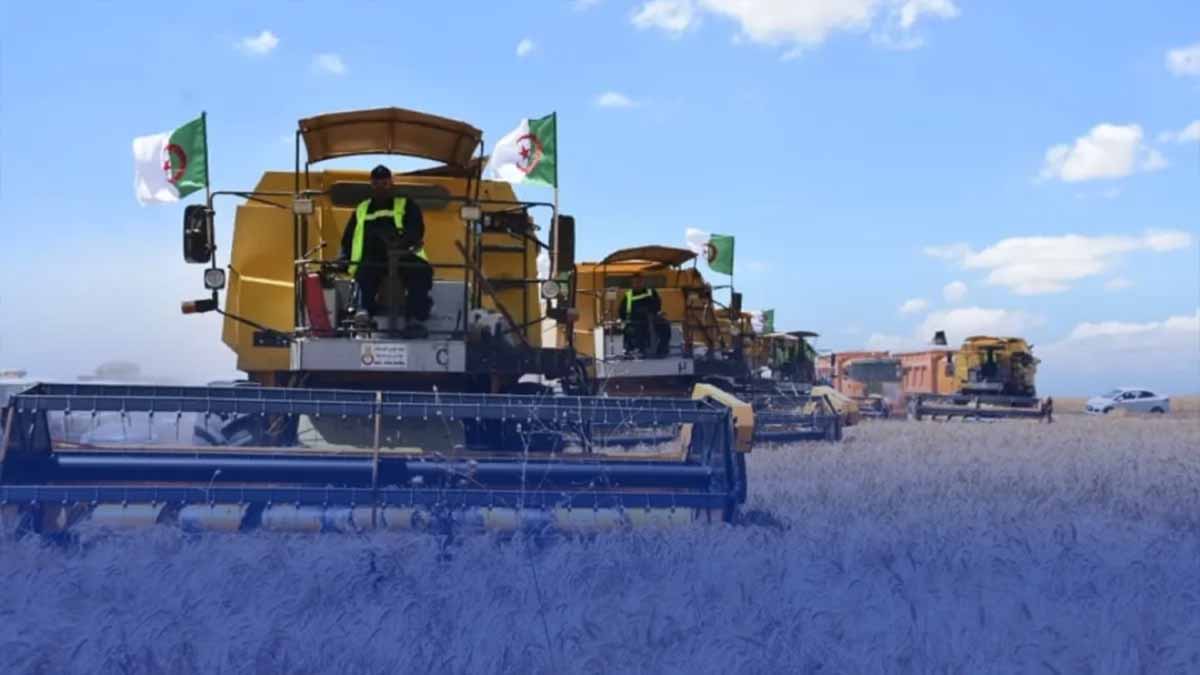
The success of the current agricultural season follows a period of recurrent droughts and is attributed to a combination of favorable climatic conditions and technological advancements. Heavy rainfall starting in December 2025 compensated for earlier dry spells in the western parts of the country, while eastern regions experienced above-average precipitation, leading to increased dam levels for irrigation. Furthermore, Algerian authorities mobilized a harvesting fleet of over 10,000 machines, aiming to boost yields per hectare from 15 to 30 quintals, ultimately facilitating the collection of the 5 million-ton national produce. Data from the European early warning system also pointed to an estimated 17% rise in wheat yields and a 55% rise in barley yields compared to the previous five-year average.
These international indicators from American and UN institutions reflect a positive transformation in Algeria's food security framework for 2026. Field measures and climatic conditions have collectively reversed several years of lower production. The anticipated record harvest and the pursuit of durum wheat self-sufficiency are expected to alleviate pressure on the national budget, reinforcing Algeria's resilience and capability in agricultural production.