










Khartoum Hosts Key AU Peace Initiative Under Algerian Presidency
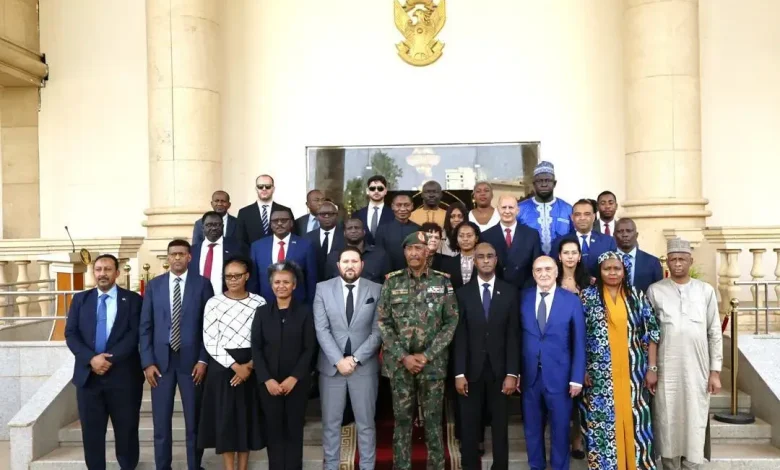
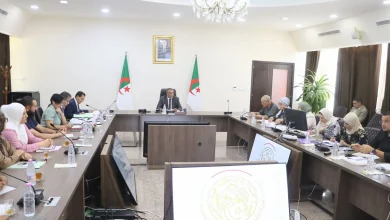
The African Union Peace and Security Council (AU PSC), operating under Algeria's presidency, embarked on a crucial two-day field mission to Khartoum, Sudan, spanning August 16 and 17. This initiative marks a concrete step to reinforce the African Union's commitment to fostering peace, security, and stability in Sudan. The mission aims to contribute to ending the crisis, achieving lasting peace, advancing national reconciliation, and delivering humanitarian support to the Sudanese people.
During its visit, the AU PSC engaged in high-level consultations with Sudanese authorities. Members met with General Abdel Fattah al-Burhan, President of the Transitional Sovereignty Council, who outlined Sudan's position on the ongoing crisis, highlighting the political transition process and the roadmap for resolution endorsed by both the United Nations and the African Union. The Council also met with Dr. Kamel Al-Tayeb Idris, Prime Minister of Sudan, who presented the official stance of the Sudanese government regarding the crisis and lauded the AU PSC's efforts, specifically acknowledging Algeria's leadership within the Council and the mission's importance in supporting a peaceful and sustainable resolution.
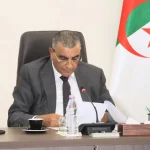
Addressing the gatherings, Algeria's Ambassador and Permanent Representative to the AU, Mohamed Khaled, in his capacity as President of the AU PSC, affirmed the Council's dedication to supporting Sudan. He emphasized the mission's objective to restore security and stability while safeguarding the nation's unity and sovereignty. Ambassador Khaled reiterated the Council's adherence to the fundamental principles of the African Union, including respect for state sovereignty, unity, and non-interference in internal affairs, alongside a firm rejection of any external interventions that could exacerbate the conflict. He also welcomed the resumption of government activities in Khartoum and the preparations for opening an African Union office there, anticipating enhanced coordination and efforts that could facilitate the lifting of Sudan's AU membership suspension.
In the final stage of its mission, the AU PSC held a consultative session with representatives from Sudanese political parties and civil society organizations. This engagement allowed the African Union to directly gather perspectives and assessments on the country's developments during this critical period. The field mission provided the PSC with direct and comprehensive insights into the political, security, and humanitarian landscape in Sudan, enabling a thorough evaluation of existing needs and challenges on the ground. This on-the-ground assessment is expected to enrich the African Union's ongoing efforts to formulate a more effective and coordinated African approach to supporting peace in Sudan.