















Public Banks Initiate National Transport Fleet Renewal
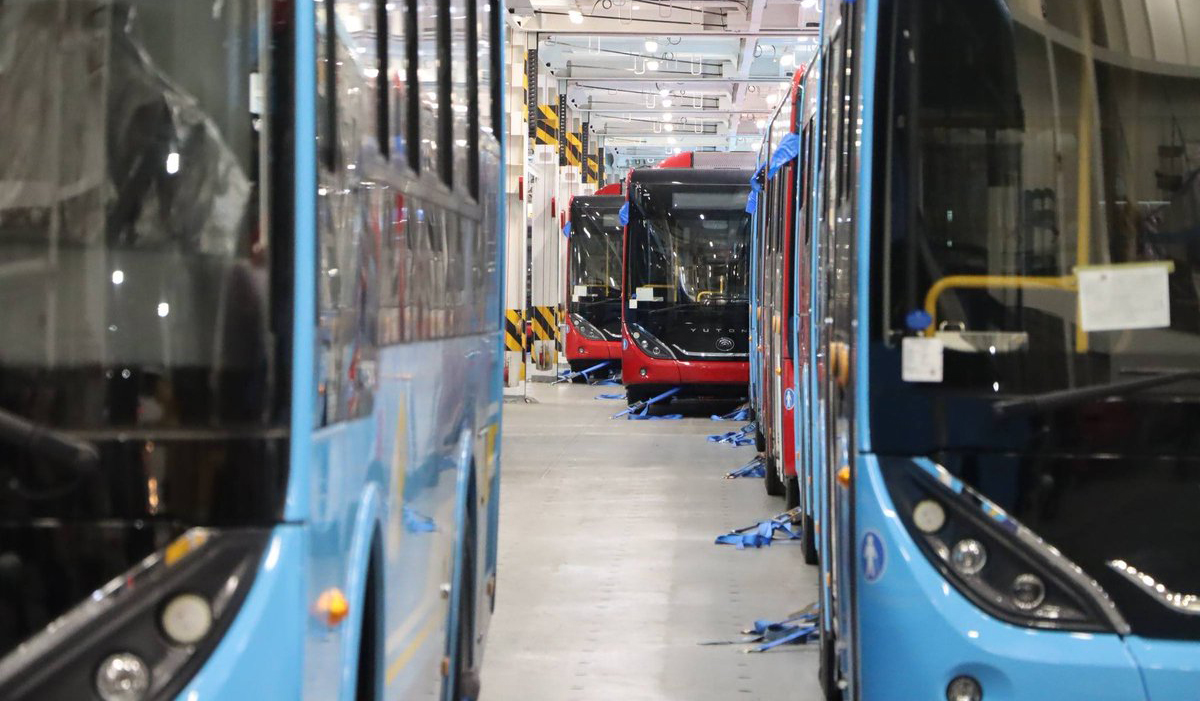
Algeria's high authorities have launched a coordinated initiative involving four public banks—BEA, BNA, BADR, and CPA—to mobilize essential financing for the renewal of the national passenger transport fleet. This extensive program targets the replacement of older vehicles, specifically those aged 25 to 30 years and above. The decision follows the effective withdrawal of buses over 30 years old, with those over 25 years set to progressively leave Algerian roads in the coming months. This comprehensive banking support is crucial to provide transporters with the necessary means and time to upgrade their primary tools of work.
The Crédit Populaire d'Algérie (CPA) offers financing covering up to 90% of the purchase price for new vehicles from approved suppliers, requiring a minimum 10% contribution from the transporter. Repayment terms extend up to ten years, including a six-month deferral period, with an interest rate of 5.5% excluding taxes. Similarly, the Banque de l'Agriculture et du Développement Rural (BADR) provides a formula that can cover up to 90% of the acquisition cost, also with a 10% personal contribution. BADR's scheme may include a 20% state subsidy under applicable conditions and offers both classic credit and Islamic finance (Mourabaha) with a ten-year repayment period and a six-month grace period. The Banque Extérieure d'Algérie (BEA) and the Banque Nationale d'Algérie (BNA) had previously introduced their own financing mechanisms, paving the way for this broader, unified effort.
The successive mobilization of these four public institutions establishes a solid financial foundation for the program, facilitating the transition from policy decisions to the practical acquisition and activation of new transport vehicles. This initiative is set to significantly improve travel conditions for millions of users by replacing an aging fleet, which has been linked to severe consequences, including fatal accidents. The aim is to rapidly introduce modern buses that meet current demands for enhanced safety, comfort, reliability, and overall service quality.
For public authorities, this endeavor presents a dual challenge: sanitizing the existing transport fleet while simultaneously ensuring the continuity of essential public services, particularly in anticipation of the upcoming social re-entry period. For private transporters, the substantial bank financing is vital, enabling them to renew their operational assets without compromising their financial stability, thus supporting the sector's long-term viability.