








UN Security Council Urged by Algeria to Act on Starvation
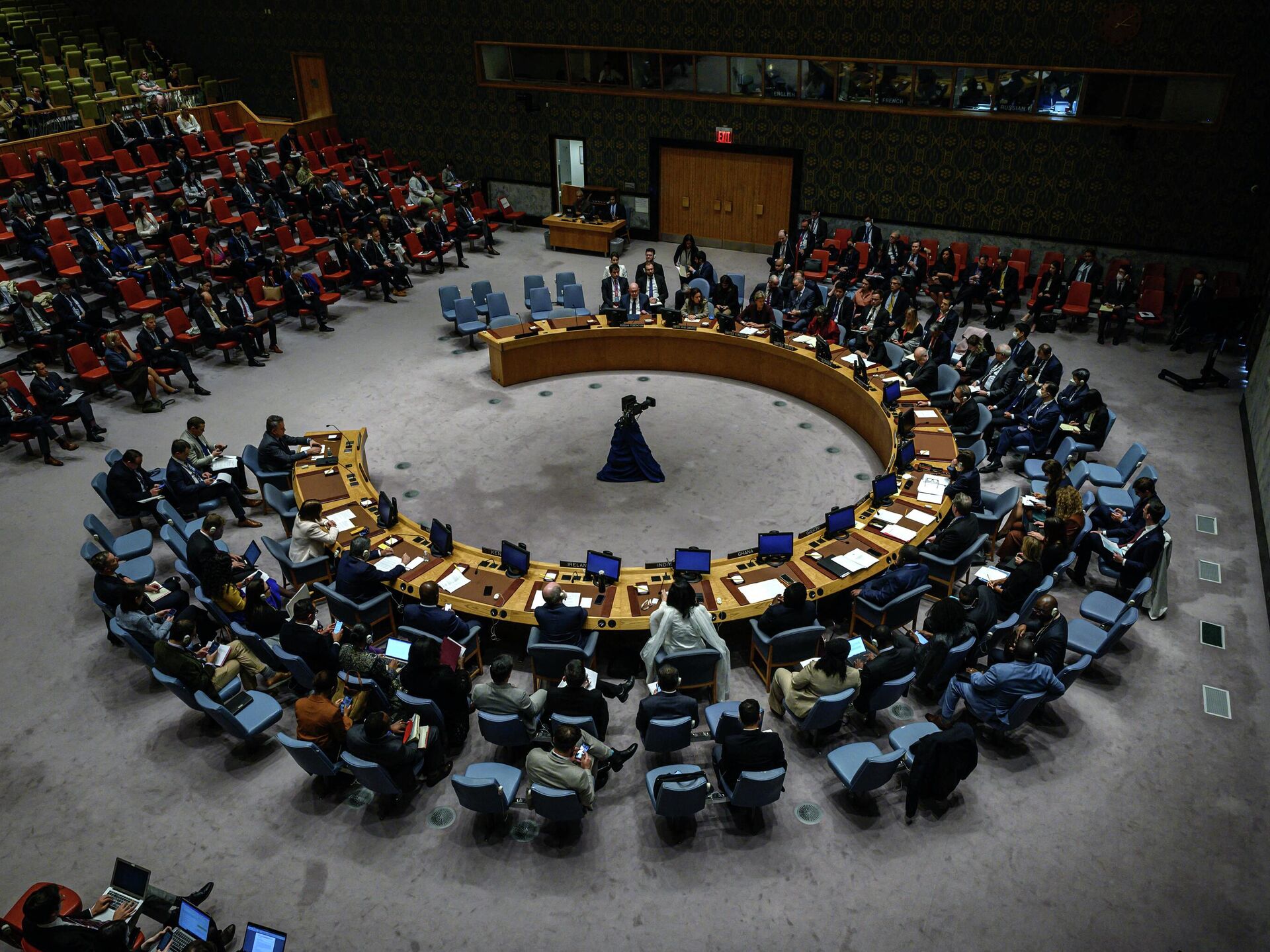
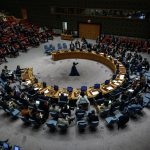
Algeria's Deputy Permanent Representative to the United Nations, Mehdi Litim, addressed the UN Security Council on Tuesday, urging the adoption of concrete measures to put an end to the use of starvation as a weapon of war. Speaking during a meeting titled "Food Under Fire: The Role of the Security Council in Mitigating Global and Local Food Crises," Litim underscored the profound severity of food crises that have impacted both the Gaza Strip and Sudan over the past year, emphasizing their catastrophic humanitarian consequences.
Litim highlighted the unprecedented finding in the Global Report on Food Crises, which, for the first time in its history, documented the simultaneous occurrence of famines in Gaza and Sudan. He unequivocally stated that starvation "under no circumstances can be justified as a method of warfare," describing the humanitarian catastrophe as an "open and deep wound." The representative of Algeria further pointed to the latest Integrated Food Security Phase Classification (IPC) data, which reveals that 1.4 million people in Gaza face acute food insecurity, with children tragically dying from malnutrition while crucial aid trucks remain stalled just kilometers away.
Regarding Sudan, Litim explained that the country is experiencing one of the world's most severe emergencies concerning acute food insecurity. Current data indicates that 19.5 million people, nearly 41% of the population, are grappling with high levels of acute food insecurity. Most alarmingly, 135,000 individuals are classified under Phase 5 (Catastrophe) and are suffering from famine, alongside 825,000 children suffering from severe acute malnutrition. Algeria also expressed concern over significant obstacles hindering humanitarian access, including conflict-induced impediments, deliberate attacks on supply routes, the destruction of food production systems, and a collapse in international funding for the food sector, which has reached its lowest level in a decade.
In response to these dire situations, Algeria reiterated its call for an immediate ceasefire and the guarantee of unhindered access for humanitarian aid to the Gaza Strip. To effectively address the use of starvation as a weapon of war, Algeria proposed a series of concrete measures. These include establishing robust early warning mechanisms to monitor attacks targeting food and water infrastructure, mobilizing necessary resources to rebuild vital facilities damaged by conflicts, ensuring safe, rapid, and unhindered humanitarian access, and holding perpetrators of attacks on civilian infrastructure accountable. Additionally, Algeria suggested implementing a targeted sanctions regime against parties that violate Resolution 2417 by employing starvation as a method of warfare, reaffirming its firm commitment to international humanitarian law and the pursuit of human dignity and sustainable peace.