






Hormuz Crisis Generates Algerian Energy Export Opportunities
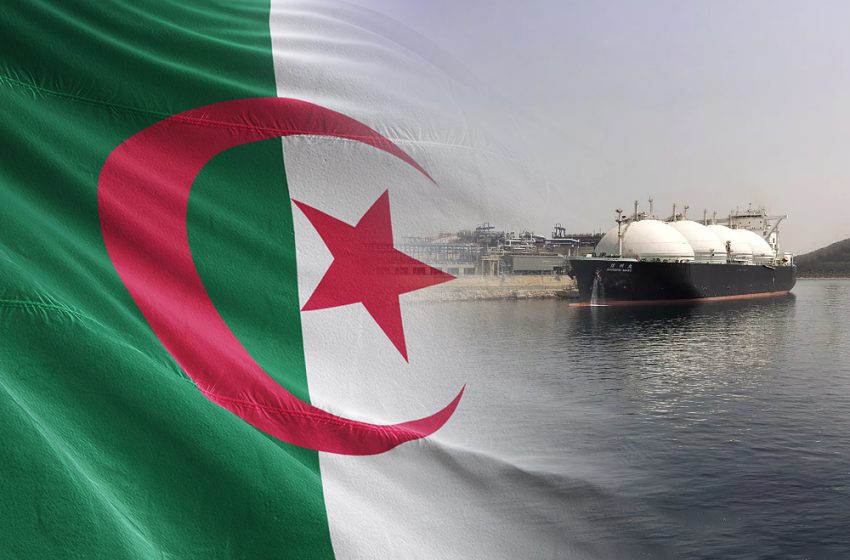
The crisis in the Strait of Hormuz, triggered by conflict around Iran, has created new opportunities for Algeria's energy exports. This geopolitical event has disrupted global energy flows, positioning Algeria as a beneficiary. Six months following the commencement of the conflict and the subsequent reordering of energy routes, Algeria has emerged among the nations capitalizing on this altered market dynamic.
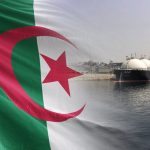
Amidst rising global oil and gas prices, Algeria, a prominent producer and exporter of hydrocarbons, has achieved substantial additional revenues. Between March and August 2026, Algeria recorded approximately $2.8 billion in additional gains from its energy exports, placing it fourth among African countries. A recent report from the Centre for Research on Energy and Clean Air, cited by the Energy Research Unit, indicated that nine African oil and gas exporting nations collectively garnered about $21.6 billion in additional earnings during this period.
The four leading African energy exporters, including Algeria alongside Nigeria, Angola, and Libya, collectively accounted for approximately $18.1 billion, representing about 84% of the total additional gains among African energy exporting states. This period saw Brent crude prices climb about 35% above pre-crisis expectations, with diesel jumping around 59% and gasoline approximately 43%. Similarly, liquefied natural gas prices in the Pacific Ocean basin surged about 75% above previous estimates, while those in the Atlantic basin increased by around 60%. Algeria's strategic position in global energy markets has enabled it to convert these international market disruptions into significant financial advantages through its robust oil and gas exports.